

Pest Control Doesn't Mean Spraying Your Whole House
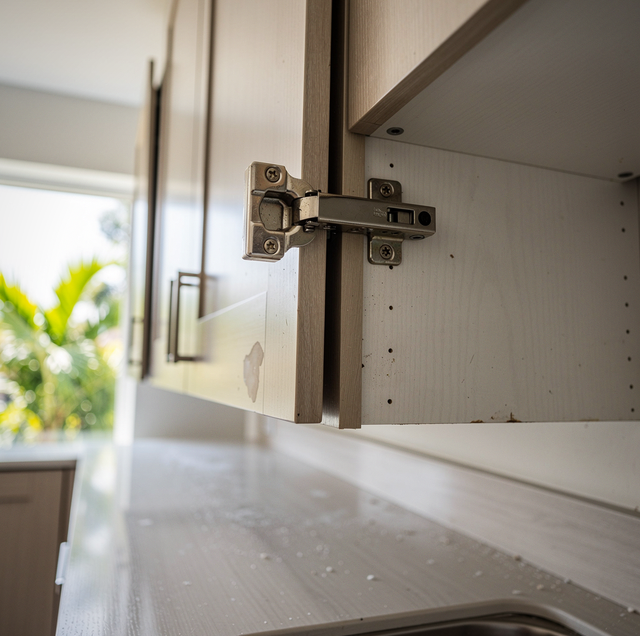
Ask most homeowners what a professional roach treatment involves, and the picture in their heads is usually the same: a technician walking room to room with a tank sprayer, coating baseboards, countertops, and floors throughout the house, with everyone waiting outside until it dries. That assumption is what keeps many homeowners from booking a visit at all, especially if there is a toddler who still puts their hands on the floor, a dog that licks the baseboard, or someone in the house managing asthma or a chemical sensitivity. The assumption is wrong. For a German or American roach problem, the real work is narrow and targeted: crack-and-crevice applications into the specific gaps and voids roaches use, paired with a gel bait and a growth regulator placed where the colony lives, not smeared across the surfaces your family touches every day.
Where the Product Actually Goes
Crack-and-crevice application: The name is literal. Instead of a broad surface spray, product goes into the hinge gap on a cabinet door, the seam where a countertop meets a backsplash, a wall-void opening behind a switch plate, or the expansion joint where a garage slab meets the house. These are travel routes and entry points, not decorative surfaces, and they are also spots your hands and your kids' hands rarely touch during normal use of a kitchen or bathroom.
Alongside that crack-and-crevice work, a professional gel bait goes down as small dabs inside those same voids, not a coating across a countertop or floor. A roach that crosses a dab of bait picks up a dose and carries residue back into the colony through ordinary contact with other roaches, grooming, and shared harborage. The bait does not need to touch every surface, or even most of them, to work its way through a colony.
Why Broad Spraying Would Actually Work Against You
A German roach colony's population mostly does not live where you can see it. Most of it stays inside wall voids, under appliances, and behind cabinets, well away from an open baseboard a wide spray would even reach. Spraying every visible surface has a ceiling built into it: that approach treats only the fraction of the colony foraging in the open at that moment, and a repellent-type product on those surfaces can scatter the rest, pushing roaches deeper into voids a broad spray was never going to reach anyway, sometimes into a neighboring room that had no activity before. Targeted crack-and-crevice work sidesteps that problem entirely by putting product where the colony lives instead of where it happens to be visible on a given day.
What This Means for Kids and Pets in the House
Because the product sits inside a hinge gap or a wall void rather than across an open floor or countertop, there is very little for a crawling toddler or a curious dog to actually contact. Gel bait placements are small: each dab fits inside a quarter-inch expansion joint or a cabinet hinge rather than being smeared across a surface a hand or a paw would rest on during normal use of the room. Products used for this kind of work carry labeling for use in occupied homes with children and pets present, and the placement method, small and enclosed instead of broadcast, does more to cut everyday contact than any single product choice does on its own.
If anyone in the household has a diagnosed chemical sensitivity, severe asthma, or a compromised immune system, mention it before the visit. Your technician can adjust which products go down and time the work around extra ventilation.
What This Means If You Just Don't Want Chemical Smell in the House
Even without a diagnosed allergy, plenty of people would rather not have a strong chemical odor sitting in a kitchen for days or a residue they can feel on a countertop. Crack-and-crevice work is applied inside a void and stays there; it is not designed to sit on an exposed surface, so the typical film from a broad-spray application on a counter, a cabinet front, or a floor is simply not part of the method. If you specifically want to skip any indoor liquid applications and rely on bait and growth-regulator placements alone, say so before the visit. It shifts how outdoor and perimeter work gets weighted, but it is a reasonable, common request, not one a competent technician should push back on.
Why a Growth Regulator Reduces the Need for Repeat Broad Treatment
An IGR, or insect growth regulator, usually goes into the same voids as the gel bait. It does not kill on contact the way a broad-spectrum spray does. Instead, it interrupts a nymph's ability to molt into a reproductive adult, so roaches exposed to it during the visit survive but are less able to replace the colony going forward. The practical effect: the colony's own reproduction is undercut across subsequent generations, not just the individuals visible on the day of the visit, which is part of why a single broad-coverage spray was never actually the more effective option, even before accounting for exposure in an occupied home.
A house does not need to be doused to handle a roach problem correctly. It needs the specific handful of places a colony is using found and treated, which is a smaller, more precise job than most homeowners picture before their first visit.
Frequently Asked Questions
Outdoor and indoor work are treated as two separate jobs because American roaches are typically sourced from outside the house, moving in through drains, gaps in the garage, or a cracked slab expansion joint, rather than living in an indoor colony the way German roaches do. Exterior treatment is a liquid residual applied around the home's perimeter and known entry points, a different product and method from the indoor crack-and-crevice work, and it is what keeps an outdoor-sourced roach from becoming an indoor problem in the first place.
For crack-and-crevice and bait work, generally only until any liquid placement is dry to the touch, which is a matter of hours rather than a day. The exact figure is not a rule of thumb, though: every product carries a re-entry interval on its own label, and that label is the authority for what was applied in your home. Ask your technician to read it off for the specific products used. If the visit also included an exterior perimeter application, the wait that matters there is for the treated ground outside, not for the rooms indoors.
No, and a fogger is the exact opposite of targeted on the dimension this article is about. It deposits aerosol across open floors, counters, and upholstery, which is precisely where a crack-and-crevice job deliberately puts nothing at all. It also leaves the next generation untouched, since the ootheca, a German female, cements into a void, is not reached by airborne product, so a fogged home looks improved for a few days and then rebounds as those nymphs hatch.
It should not. The bait is placed as a small dab inside a hinge, seam, or void, not spread across a finished surface, so there is nothing left on an exposed cabinet front or countertop to wipe away or notice. If a placement is visible after a visit, point it out to your technician so it can be tucked further into the void.
Botanical and essential-oil-based products exist and can suppress activity for a short window, but manufacturer claims that they fully resolve an established German roach colony are not well supported once an infestation is heavier, and a purely botanical approach usually requires more frequent retreatment. It is a reasonable choice for a very light, early presence; it is not a like-for-like substitute once a colony is established in wall voids and behind appliances.
Wipe the area with a damp cloth, and wash the child's or pet's hands or paws with soap and water. The amount of product in a single crack-and-crevice placement is small and label-compliant for residential use. If a pet or child actually ingests a placement rather than briefly touching it, call your vet or a poison control line and mention the product was a professional roach gel bait, so they have the right information on hand.
Ask about a bait-and-IGR-only visit — Tyler will explain exactly what goes where before anything is applied. Buggify Pest Solutions serves Boca Raton, West Boca, and communities across Palm Beach and northern Broward. Call Tyler: (561) 672-0200.
