

Bitten at 2 PM? What Aedes Aegypti's Clock Reveals
Quick Answer: A bite at two in the afternoon points to a container-breeding day species; one after dark points to a different group from different water. The hour tells you where to look before anyone inspects the yard.
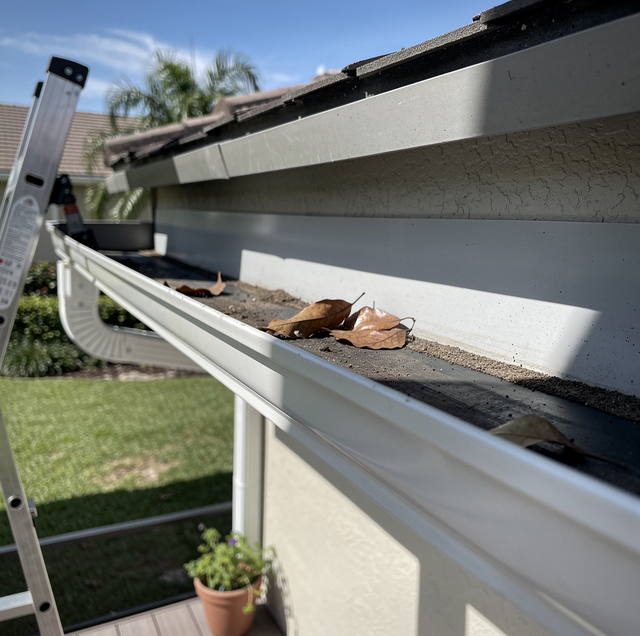
You are on a ladder at 2:14 in the afternoon, gutter guard in one hand, sun directly overhead, and something lands on your ankle and bites through your sock. No dusk, no shade, no standing water in sight. Just full daylight and a mosquito that clearly was not waiting for evening.
That hour is the interesting part. Most people assume mosquitoes are a dusk-and-dawn problem, something that shows up when the light goes soft and the temperature drops. A bite at two in the afternoon does not fit that story, and it should not. It fits a different one, and the time on your watch is the first piece of evidence.
Mid-Morning to Midday Sets the Day-Biting Clock in Motion
Mosquitoes are not out hunting around the clock. Adults are active only in short windows tied to light and temperature, spending the rest of their time tucked into shaded leaves and low vegetation. Which window a given mosquito keeps depends on the species, and species is set the moment it hatches from a particular kind of water.
Aedes aegypti is a day-active species. It breeds in small containers of standing water, the kind that collects in bromeliad cups, plant saucers, clogged gutters, and folds in a pool cover, and its adults follow a daytime rhythm that starts building through mid-morning. If your first bite of the day lands before lunch, on a porch or in a garden bed, you are most likely dealing with this group, and the water responsible for it is close by. Container breeders do not travel far from where they emerged.
Two in the Afternoon Sits Inside the Day-Biting Window
By early afternoon you are inside the day-biting window, though not at its busiest point. Under bright, unfiltered sun, the harshest part of the middle of the day tends to be the quietest stretch of that window, and activity climbs again through the late afternoon, which is where the daytime peak actually sits. A bite while you are watering plants, checking the mail, or working in the yard at two o'clock is still on schedule for a species that keeps daylight hours, and shade over the spot where it happened makes it likelier still. A gutter line under an eave holds shade through the brightest part of the day, which is exactly the kind of pocket a day-biting mosquito waits in.
What that tells an inspector matters more than the bite itself. Daytime biting narrows the search to small, contained water sources: saucers under potted plants, a bromeliad's central cup, a gutter section that never drains, a tarp or cover holding a rain puddle. These sources are usually on the property where the bite happened, very often on your own property or one immediately next to it. A homeowner who can say "it was the middle of the afternoon" has already ruled out a large share of what an inspection would otherwise have to check.
Note the exact activity and hour of a daytime bite, not just "sometime this week." A ladder at 2 PM near the gutter line points somewhere very different than a porch chair at 2 PM near potted plants.
The Dusk Window Swaps One Biting Group for Another
As the light starts to fail, roughly the hour surrounding sunset, the population you are dealing with changes. Day-biting container species begin winding down, and a different group starts its own activity window. This is the classic transition most people already associate with mosquitoes, and it is real, though it describes one specific group and does not generalize to every mosquito in the yard.
Culex mosquitoes are the ones associated with this evening shift. Where Aedes aegypti comes from small, clean-ish containers, Culex favors water with more organic matter, including retention ponds, ditches, and canal edges, as well as buckets, catch basins, and neglected birdbaths that have gone stagnant. A bite that starts right around sunset and continues as the sky dims is a signal to stop thinking about the plant saucer on the patio and start thinking about what larger water sits near the property line.
After Dark and Before Sunrise Belong to the Same Group
Once full darkness sets in, the night-active group runs at its own pace, separate from the day-biters who were active hours earlier. If your bites are concentrated well after sunset, during an evening walk, or while sitting outside after the sun is fully down, that timing still points away from small containers and toward the same larger, richer water sources that drive the dusk window. The hours just before sunrise belong to that same shift. If you are up early, walking a dog or leaving for work while it is still dark, and something bites you, that bite groups with the evening pattern even though the calendar says "morning." The clock that matters here is light, not the clock on the wall.
This is also where people most often misread the clue. A homeowner who gets bitten at night sometimes assumes the same small containers responsible for a daytime bite must be the cause, and ends up focused on the wrong spot entirely. Early risers make the same mistake in the other direction, describing a pre-dawn bite as a "morning" mosquito and lumping it in with the daytime container group. Afternoon bites and after-dark bites usually come from two different groups with two different kinds of water behind them, and treating them as one story is the most common way the clock gets ignored.
The clock sorts the two common groups, and it does not sort everything. Two situations break the pattern often enough to name. After a heavy storm, a floodwater group can emerge in numbers from ground that was dry the week before, and those adults will bite in daylight and after dark, which makes the hour close to useless for two or three weeks. And on a property near the coast, a salt-marsh species can arrive from tidal ground well outside the neighborhood and bite on a schedule of its own, with no container on your property behind it at all. If you are getting bitten steadily across every hour you spend outside, that third case is worth raising before anyone starts turning over plant saucers.
What the Hour Rules In and What It Rules Out
Say the hour points to a day-biter. The useful part is not that you now have a list to walk. It is that the clock has already removed most of what you would otherwise have to consider.
A daytime reading rules in a species that emerged from a small volume of water sitting undisturbed for about a week. Roughly half an inch of standing water is enough for it, and in summer heat the run from egg to biting adult takes seven to ten days. The reading also rules in a source close to where the bite happened, because that group does not travel far from the water it came out of. And it rules in a source that has been sitting for at least a week, since water that arrived yesterday has not produced a biting adult yet.
The same reading rules things out. It rules out the larger, organically loaded water that drives the evening pattern, so the canal edge or pond margin near your fence stops being the first suspect even when it is the most visible water anywhere near you. It rules out drainage as the explanation, because low ground that floods and then dries produces a different group on a different schedule. And it rules out a whole-yard sweep as the sensible opening move, since a search that starts at the property line and works inward is starting at the wrong end of a radius the clock has already shortened.
What the hour cannot do is tell you how much you are dealing with. One producing source and ten of them read identically on a watch. The clock sorts the kind of water behind your bites; it says nothing about how many places are producing it, and that count is what decides whether your yard stays quiet after the first one is handled. That is the honest limit of the clue, and it is the point where your own reading of the clock runs out, and someone has to look at the ground.
Why the Hour on the Clock Narrows the Search Before Anyone Arrives
Noting the hour takes no effort at all and narrows the search before anyone walks the property. It requires paying attention to the time you were bitten and what you were doing. That single detail narrows the problem to one of two directions before anyone has looked at a single container or drainage ditch.
A pattern of daytime bites, especially through the late morning and into the afternoon, keeps the search close to the house: containers, saucers, gutters, covers, anything that holds a small volume of water for more than a few days. A pattern of dusk, night, or pre-dawn bites shifts the search outward toward larger, more persistent bodies of water that may not even be on the property in question. Knowing which pattern you are in before anyone shows up to look means the conversation starts with "here's what time I'm getting bitten." That is a great deal more to work with than a guess.
The next time you get bitten, the useful question is not just where. It is what time the clock read, and what you were doing when it happened. That detail alone tells you more about where the water is than almost anything else you could notice on your own.
Frequently Asked Questions
Yes, at least in terms of how long the daytime window feels active. A day-biting species tolerates shade well and can stay active later into the afternoon under dense tree cover or a shaded patio than it would in full, unbroken sun. If your bites seem to run later in the day than expected, check whether the spot where it happened stays shaded most of the afternoon.
It changes how you should read a bite that happens indoors, or in what feels like an enclosed space. Screening keeps most activity out, but a small number of mosquitoes still slip through an open door, and a bite felt on a screened porch at dusk can read as an "indoor" bite when it is really the same evening pattern happening a few feet from the yard.
It can widen the window on you, and the trap is in how you read a run of them. Three grey afternoons in a row will make your bite log look as though the timing has shifted to a new species, when the only thing that changed was the light reaching your yard. Compare an overcast afternoon against another overcast afternoon, and a bright one against a bright one, before you conclude anything about which group is biting you. Cloud cover flattens the midday dip; it does not swap one mosquito for another.
Not the way it draws other insects. The day-active group is keyed to daylight and pays no attention to a bulb, so a bite near your lit porch after sunset belongs to the evening or night pattern. Your porch light is not keeping the daytime species from passing through its window. It is simply where you happen to be standing when the other group starts working.
Wind suppresses activity across the board, regardless of which group is scheduled to be working that hour. A windy afternoon or a breezy dusk can feel unusually quiet in your yard even inside a window that would normally hand you bites, so one breezy evening with nothing landing on you should never convince you your pattern has changed. Log it and wait for a still night before you decide.
It does, and the difference is useful to you. A bite indoors at nine in the evening usually means something came in recently, through a door you held open during the active evening window, and it is still keeping its outdoor schedule a few feet from where it entered. Three in the morning is harder to explain that way, because very little is getting through your closed house at that hour. That timing more often means one or more mosquitoes have been inside for a day or longer, resting somewhere dark and interior and working on a rhythm of their own. The first case sends attention back out to your yard. The second sends it to how they got in and where they are sitting through the day.
Tell Tyler what hour you are getting bitten — a specific time and activity gives him a head start on where to look before he ever walks the property. Buggify Pest Solutions serves Boca Raton, West Boca, and communities across Palm Beach and northern Broward. Call Tyler: (561) 672-0200.
