
Lawn Pest Control in Pompano Beach
Coastal salt-spray palm scale monitoring across the Intracoastal palm inventory. Bermuda-grass mole cricket pressure along the coastal corridor.
- FL DACS License #JB268060 · Certified Operator Tyler Craig
- Bayer Authorized Applicator (Termidor)
- $1M general liability insurance
- Google 5.0 Rated · live review feed
- Family-owned · 1,000+ South Florida homes served since 2018
- Pet-safe and family-safe treatments by default
- Free phone estimates · no long-term contracts
Pompano Beach's lawn and ornamental pest work reflects a specifically coastal profile that inland service areas do not share. Two conditions concentrate the work: coastal salt-spray palm scale pressure on the dense Intracoastal-and-coastal palm inventory (Sabal, coconut, queen, royal), and mole cricket activity on the Bermuda-grass and St. Augustine common areas of coastal-corridor residential where sandy soil supports the burrowing lifecycle. Salt spray from onshore winds physically weakens the outer palm frond surface and creates the specific micro-habitat that ornamental palm scale populations exploit. Adult mole crickets tunnel through sandy coastal soils and produce the characteristic surface-ridge damage across turf that residents mistake for irrigation issues or vandalism. The Pompano protocol reads the coastal palm and turf inventory as a connected landscape and matches treatment to the coastal micro-habitat rather than to inland templates. Parent Pompano city hub covers the marina-district cockroach, coastal roof rat, and Intracoastal salt-marsh mosquito work in depth; this Tier 3 page focuses on the coastal-landscape lawn pest dimension.
Coastal Salt-Spray Palm Scale Specialty
Intracoastal and coastal-corridor palm inventory (Sabal, coconut, queen, royal) receives ongoing salt-spray-linked palm scale pressure.
Bermuda-Grass Mole Cricket Protocol
Sandy coastal soils support mole cricket tunneling on Bermuda and St. Augustine common-area turf. Surface-ridge diagnostic ID standard.
Coastal Landscape Coordination
Palm and turf treated as connected coastal landscape. Onshore-wind timing considered on foliar work.
Same Technician Every Visit
Tyler runs every Pompano lawn pest job.
Direct Line to Tyler
Mon-Fri 8 am - 5 pm.
No Contract Lock-In
Bills per visit.
Intracoastal palm case: coordinated scale treatment across 8 palms halted decline
The condition
A Pompano Beach Intracoastal-adjacent residential property had four Sabal palms and four queen palms showing accelerating scale infestation across the palm crowns. The owner had noticed the sooty-mold accumulation over 4 months and had watched the fronds progressively yellow and drop from the outer canopy inward.
The inspection
Tyler's on-site inspection confirmed heavy scale populations on all 8 palms with variable species presence (Florida wax scale on the queen palms; palmetto scale on the Sabal palms). Coastal salt-spray adjacency was noted as contributing to habitat weakening.
The coordinated treatment
Systemic soil-drench application to all 8 palm root zones with matched chemistry for the identified scale species. Foliar knockdown applied to accessible queen palm crowns for immediate population reduction. The owner scheduled a 60-day follow-up inspection to confirm treatment efficacy.
The 60-day check
Follow-up inspection at 60 days confirmed scale population collapses across all 8 palms. Frond drop had halted; new frond emergence was returning to normal color and rate. Owner enrolled in a semi-annual coastal palm inspection cycle.
Five Pompano Beach conditions that shape lawn pest work
Coastal salt-spray adjacency, sandy soil profile, prevalence of Bermuda-grass common areas, Intracoastal palm inventory density, and onshore wind pattern each shape the lawn pest protocol.
Coastal Salt-Spray Adjacency
Properties within one mile of shoreline or Intracoastal water carry additional salt-spray-linked palm scale pressure. Treatment cycles run one additional visit per year on coastal-adjacent inventory.
Sandy Coastal Soil Profile
Sandy soil supports adult mole cricket tunneling lifecycle. Surface-ridge damage is the primary diagnostic sign.
Bermuda-Grass Common-Area Prevalence
HOA and condo common-area turf is frequently Bermuda rather than St. Augustine. Mole cricket pressure concentrated on Bermuda-grass zones.
Intracoastal Palm Inventory Density
Sabal, coconut, queen, and royal palm inventory densely planted along the Intracoastal corridor. Scale monitoring is a coastal ornamental package standard.
Onshore-Wind Foliar Timing
Prevailing onshore wind pattern affects foliar treatment residual drift. Application timed for calm-air windows on coastal foliar work.
Every Pompano Beach lawn and ornamental pest issue Buggify handles
Five work profiles across coastal and non-coastal Pompano residential and common-area landscape.
Coastal palm scale on Sabal, coconut, queen, and royal palm
Systemic soil-drench dominant chemistry with foliar knockdown for accessible palm crowns. One additional treatment cycle per year on coastal-adjacent inventory vs inland.
Bermuda-grass and St. Augustine mole cricket treatment
Surface-ridge diagnostic ID; targeted bait-and-drench treatment. Coastal-corridor sandy soils are the primary habitat.
Chinch bug pressure on St. Augustine coastal residential
Standard May-October chinch bug diagnostic and treatment protocol on coastal-corridor residential.
Coastal hedge whitefly and scale on Intracoastal ficus
Standard underleaf inspection and systemic treatment on Intracoastal-adjacent hedge inventory.
Fire ant colony mapping on coastal-corridor residential
Full-yard colony mapping followed by targeted mound and broadcast bait treatment on coastal-corridor properties.
Why Pompano coastal palm and turf work runs on a salt-spray-adjusted cycle
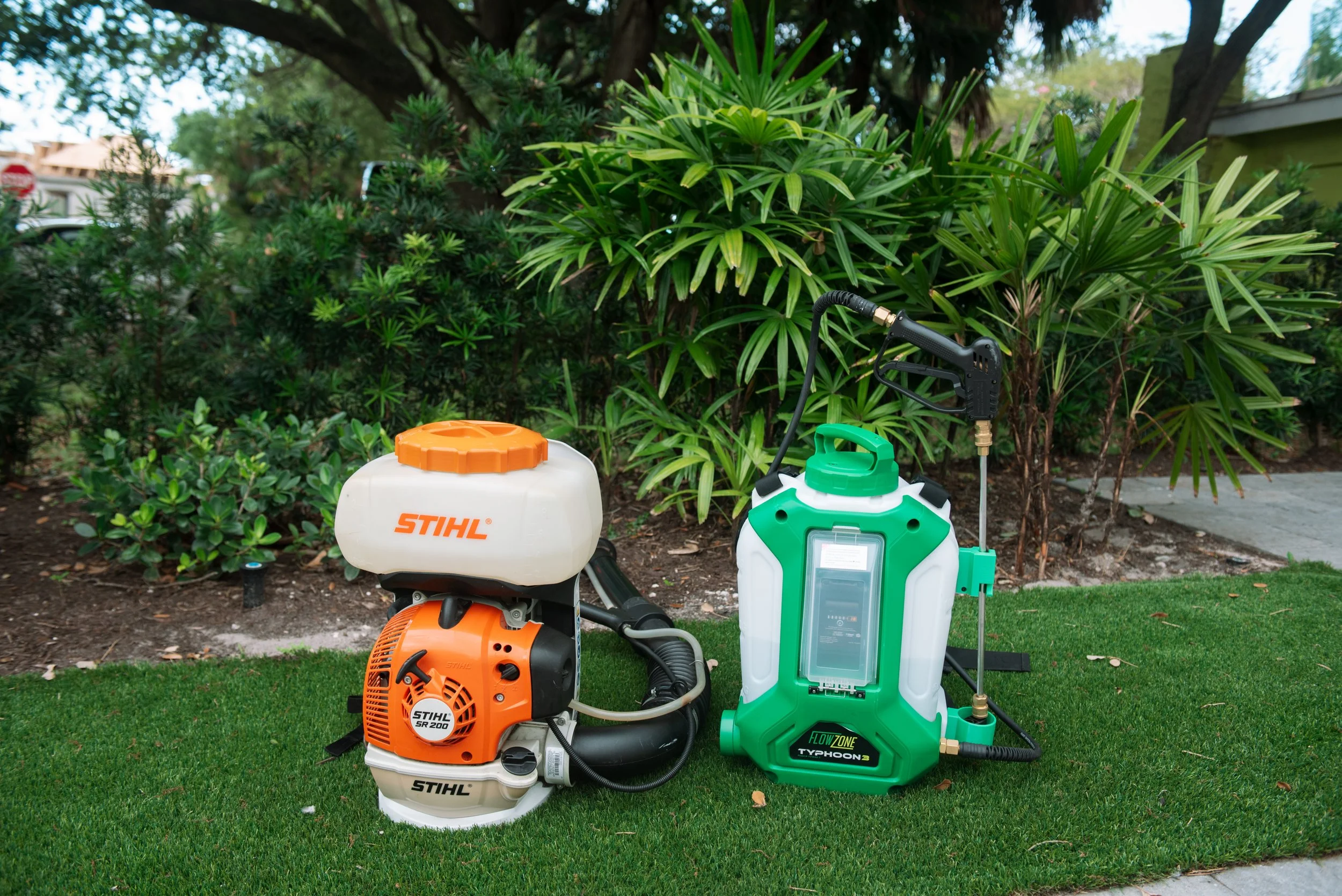
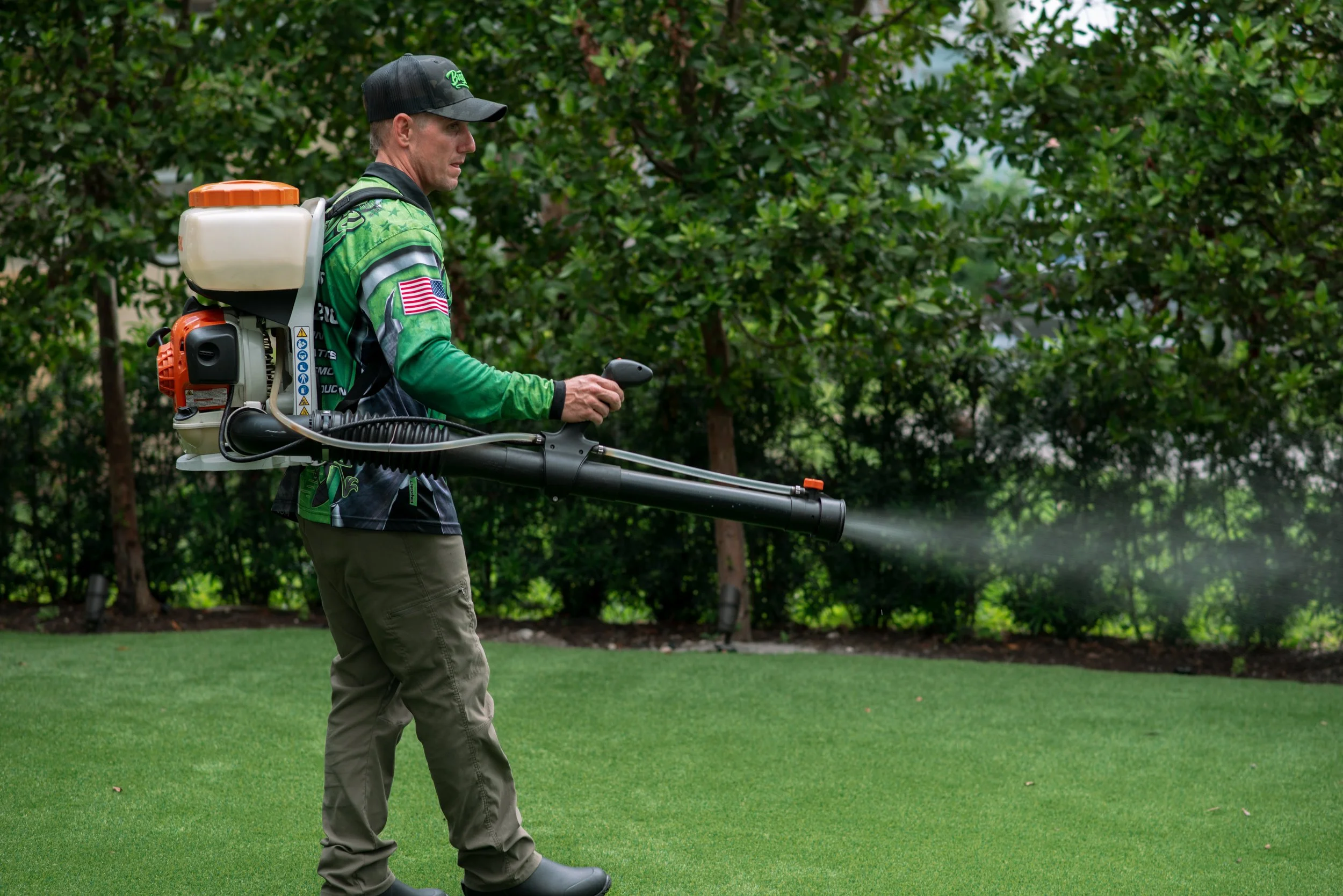
Inland palm scale pressure is typically manageable with one to two systemic treatment cycles per year. Coastal Pompano properties within one mile of the shoreline or Intracoastal water carry additional salt-spray-linked palm scale pressure because onshore winds physically weaken the outer palm frond surface and create the specific micro-habitat that scale populations exploit. Treatment cycles run one additional visit per year on coastal-adjacent inventory compared to inland. Chemistry selection matches the coastal micro-habitat, systemic soil-drench dominant, with foliar knockdown reserved for accessible palm crowns.
Mole cricket activity on Bermuda-grass common areas and St. Augustine coastal residential runs on a sandy-soil-linked cycle. Adult mole crickets tunnel through the soil profile and produce characteristic surface-ridge damage across turf that residents commonly mistake for irrigation coverage issues or vandalism. Diagnostic identification of the surface-ridge pattern confirms the presence of mole crickets and drives targeted bait-and-drench treatment application.
Parent Pompano hub covers marina-district cockroach, coastal roof rat, and Intracoastal salt-marsh mosquito work. This Tier 3 page focuses on the dimensions of the coastal palm scale and Bermuda-grass mole cricket.
Three technical details specific to Pompano Beach lawn pest work
Coastal-adjacency treatment cycle adjustment, mole cricket surface-ridge diagnostic, and onshore-wind foliar timing.
Coastal-Adjacency Treatment Cycle Adjustment
Properties within one mile of shoreline or Intracoastal water receive one additional palm scale treatment cycle per year compared to inland properties. Chemistry selection matches the coastal micro-habitat; systemic soil-drench dominant.
Mole Cricket Surface-Ridge Diagnostic
Adult mole cricket surface-ridge damage appears as raised soil-tunneling patterns across turf. Diagnostic distinguishes from irrigation coverage gaps and vandalism. Targeted bait-and-drench treatment is applied following confirmed identification.
Onshore-Wind Foliar Timing
Coastal foliar treatment residual drift is affected by prevailing onshore wind. Application timing selected for calm-air windows (typically early morning) reduces drift risk and improves treatment efficacy.
What Pompano Beach lawn pest control costs
Firm lawn and ornamental pricing follows a walkthrough because turf species, hedge count, palm inventory, and pest signature drive the work. A phone call establishes a range and identifies whether coordinated ornamental + turf visits will help.
Phone estimate
Free, Tyler walks through your yard footprint (approximate square footage, turf species if known, hedge count, palm inventory) and gives a treatment range.
Bi-monthly programs
Turf and ornamental care work best on rotational treatment. Programs bill per visit; cancel anytime.
Included in every visit
Pest identification, targeted application, condition-of-yard note, and treatment product disclosure.
30-day return
If chinch bug, sod webworm, or whitefly pressure returns within 30 days of a treatment, Tyler returns at no additional charge.
Buggify vs. National Pest Chains
Seven-point comparison. Every row verifiable from how Buggify operates.
| Feature | Buggify in Pompano Beach | National Pest Chains |
|---|---|---|
| Who answers when you call? | Tyler Craig, the licensed operator | Call center or booking bot |
| Turf ID first, treatment second | Confirms St. Augustine vs Zoysia vs Bermuda and identifies the specific pest before chemistry selection | Broadcast treatment without turf-species distinction |
| Pollinator-safe application windows | Whitefly and hedge treatments timed outside pollinator foraging windows on request | Standard-schedule application regardless |
| HOA landscape coordination | Written condition-of-treatment note suitable for HOA architectural review | Not standard |
| Return-visit policy on turf pests | Included when pressure returns within 30 days of a confirmed treatment | Extra visit fee typical |
| Contract lock-in | None. Bills per visit; cancel anytime. | Annual contracts common |
| Ornamental + turf coordination | One technician handles both zones as a connected landscape | Separate crews or vendors |
Read what Pompano Beach customers say on Google directly
Real Google reviews from Pompano Beach residents driving lawn and ornamental calls. Tyler walks the yard on the first visit, identifies the specific pest signature (chinch bug, sod webworm, ficus whitefly, palm scale), and matches chemistry to turf species. The live widget below pulls current reviews directly from Google.
Three things Buggify will never do to you
Three things Buggify will never do to you (full list of seven on Why Choose Buggify):
Quote a real treatment price without inspecting the property first. Phone gives a range; firm pricing comes after an on-site walkthrough.
Indoor spraying when the source is outside. Most Pompano Beach pest pressure is driven by outdoor harborage; indoor-only work is a short-term cover-up.
Long-term contracts that lock you in. Bi-monthly plans bill per visit and can be canceled anytime, no fees.
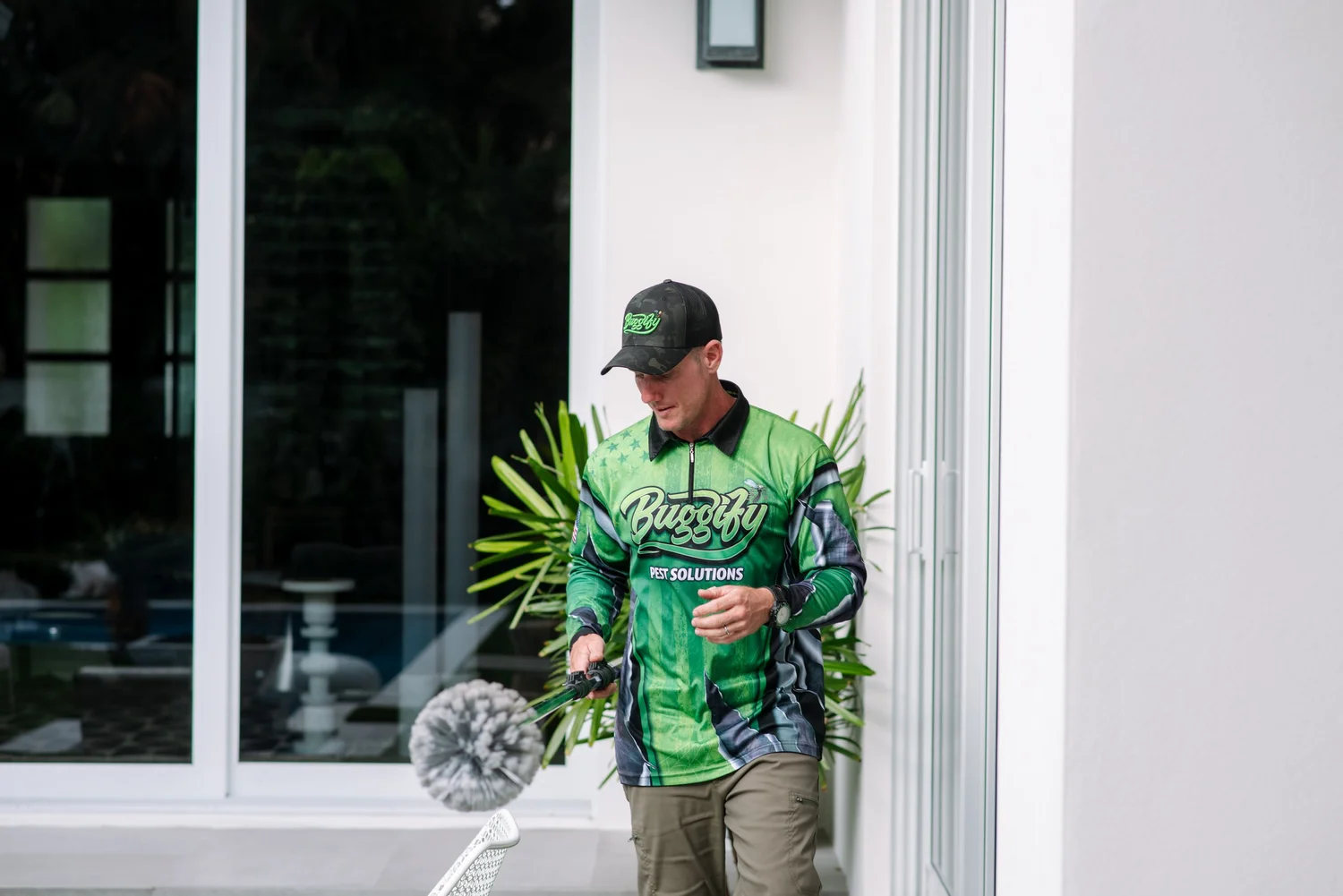
Call (561) 672-0200. Tyler answers, gives you a price range on the first call, and books your Pompano Beach appointment into the next dispatch window (standard scheduling runs same-week; stinging-insect emergencies get prioritized).
Pompano Beach lawn pest FAQ
Why do my Intracoastal palms need more scale treatment than my inland friends' palms?
Coastal salt spray physically weakens the outer palm frond surface and creates the specific microhabitat that scale populations exploit. Palms within one mile of shoreline or Intracoastal water carry additional scale pressure and typically need one additional treatment cycle per year compared to inland.
Are those raised ridges in my Bermuda-grass lawn from mole crickets?
Very likely if they run in irregular tunneling patterns across the mown surface. Adult mole crickets tunnel through the soil profile and produce characteristic surface-ridge damage. Diagnostic inspection confirms the presence of mole crickets and distinguishes them from irrigation coverage issues.
Can you treat palm scale without cutting down my palms?
Yes. Systemic soil-drench chemistry addresses large-scale infestations without requiring palm removal. Foliar knockdown on accessible palm crowns provides immediate population reduction. Cutting down the palm is rarely the treatment path.
Do coastal winds affect when you can apply treatments?
Foliar treatment residual drift is affected by prevailing onshore wind. Application timing on coastal foliar work is selected for calm-air windows, typically early morning. Systemic soil-drench work is not affected by wind conditions and can be applied at any dispatch window.
Will systemic palm treatment affect nearby ornamental fish ponds or shoreline vegetation?
Systemic soil-drench chemistry is applied to the palm root zone and remains within the palm's uptake system. A written condition-of-treatment note documents product selection and application method; adjacent water features and shoreline vegetation are noted where relevant.
How often should I schedule coastal palm scale inspection?
Semi-annual inspection is the standard on coastal-adjacent palm inventory. Spring and mid-fall inspection cycles catch scale population buildup at treatable stages before frond decline becomes visible.
Direct line to the technician serving Pompano Beach
Phone: (561) 672-0200 (Tyler answers) · Mon–Fri 8 am – 5 pm
Email: Getbuggify@gmail.com
Address: 22617 Middletown Dr., Boca Raton, FL 33428 (West Boca shop, primary dispatch)
License: FL DACS #JB268060 · Certified Operator: Tyler Craig
Call (561) 672-0200 or submit the form below for a free phone estimate. Tyler answers directly. Pompano Beach dispatch is owner-operator across a route from the West Boca shop, so appointments are pre-scheduled rather than drop-in; most standard jobs book for the same week.