
Lawn Pest Control in Coconut Creek
Butterfly-corridor pollinator-safe whitefly treatment protocol. Tropical-canopy palm-scale coordination across the Butterfly-Capital residential inventory.
- FL DACS License #JB268060 · Certified Operator Tyler Craig
- Bayer Authorized Applicator (Termidor)
- $1M general liability insurance
- Google 5.0 Rated · live review feed
- Family-owned · 1,000+ South Florida homes served since 2018
- Pet-safe and family-safe treatments by default
- Free phone estimates · no long-term contracts
Coconut Creek's Butterfly-Capital identity extends to residential lawn and ornamental pest work in specific ways. Ficus-whitefly and palm-scale treatment on residential properties within the community's designated pollinator corridor follows a pollinator-safe application protocol: systemic soil-drench chemistry dominant (no broadcast foliar), timing outside butterfly and honey bee foraging windows on request, and direct application within the specific pest zone rather than landscape-wide broadcast. The tropical-canopy palm inventory across Coconut Creek residential (Sabal, coconut, queen, royal, plus adjacent-property canopy exposure) requires coordinated palm-scale monitoring because scale populations spread laterally through the shared canopy structure between adjacent properties. The Coconut Creek protocol reads the pollinator-corridor status of the property first, matches chemistry accordingly, and coordinates palm-scale work across the shared canopy geometry. The parent Coconut Creek city hub covers the tropical-canopy tree-pathway rodent scope, butterfly-garden coexistence mosquito work, and Township cross-subdivision cockroach coordination in depth; this Tier 3 page focuses on the pollinator-safe lawn and ornamental dimension.
Pollinator-Corridor Safe Treatment
Systemic soil-drench chemistry dominant. Timing outside butterfly and honey bee foraging windows on request.
Shared-Canopy Palm-Scale Coordination
Tropical-canopy palm inventory shared between adjacent properties. Coordinated scale treatment across the shared geometry.
Butterfly-Garden Adjacent Awareness
Adjacent-yard treatment routes selected to avoid butterfly-garden broadcast exposure.
Same Technician Every Visit
Tyler runs every Coconut Creek lawn pest job.
Direct Line to Tyler
Mon-Fri 8 am - 5 pm.
No Contract Lock-In
Bills per visit.
Five technical details specific to Coconut Creek lawn pest work
Pollinator-safe chemistry workflow, shared-canopy coordination, butterfly-garden adjacent avoidance, Township HOA coordination, and pollinator-forage window timing.
Pollinator-Safe Chemistry Workflow
Systemic soil-drench chemistry dominant on ficus-whitefly and palm-scale work. Foliar knockdown applied only when necessary and timed outside butterfly and honey bee foraging windows on request. The written condition-of-treatment note documents the chemistry selection and application method.
Shared-Canopy Coordination Protocol
Adjacent-property canopy structure identified during initial palm-scale inspection. Coordinated treatment across sharing adjacent properties recommended for durable results. Written scope-of-work coordination note distributed to participating properties.
Butterfly-Garden Adjacent Avoidance
Adjacent-yard treatment routes selected to avoid butterfly-garden broadcast exposure. Systemic and direct-application containment on the specific pest zone.
Township HOA Coordination
Township area and adjacent master-planned community landscape cycle coordination with HOA property management. Preemptive inspection ahead of scheduled landscape cycles.
Pollinator-Forage Window Timing
Butterfly and honey bee foraging windows (typically 9 am - 5 pm) avoided on request for any foliar treatment. Early morning (before 8 am) or dusk (after 6 pm) application windows selected as pollinator-safe alternatives.
Four Coconut Creek conditions that shape lawn pest work
Butterfly-corridor designation, tropical-canopy palm inventory, Township HOA density, and adjacent-property canopy sharing each shape the lawn pest protocol.
Butterfly-Corridor Designation
Community pollinator protection identity drives pollinator-safe treatment default. Systemic soil-drench chemistry dominant; foliar broadcast avoided.
Tropical-Canopy Palm Inventory
Sabal, coconut, queen, royal palm inventory across residential density. Palm scale monitoring is a standard part of the ornamental package.
Township HOA Density
Township area and adjacent master-planned communities coordinate landscape work at HOA level. Preemptive inspection times to landscape cycles.
Adjacent-Property Canopy Sharing
Tropical canopy structure shared between adjacent properties. Scale populations spread laterally; coordinated treatment across shared geometry produces durable results.
Township shared-canopy case: coordinated palm-scale treatment across three adjacent properties
The condition
A Township-area Coconut Creek homeowner had noticed accelerating palm scale on the property's queen palm inventory. Treatment applied the previous year had cleared the palms for approximately 8 months before reinfestation returned from the adjacent-property canopy that shared overhead structure with the homeowner's palms.
The coordination
Tyler suggested a coordinated treatment across the three adjacent properties whose canopy structure shared laterally with the homeowner. Two of three adjacent owners agreed to participate in coordinated treatment. Written scope-of-work note distributed to all three properties documenting the coordination and cost-share arrangement.
Every Coconut Creek lawn and ornamental pest issue Buggify handles
Four work profiles across pollinator-corridor and standard Coconut Creek residential.
Pollinator-safe ficus-whitefly treatment on hedge lines
Systemic soil-drench chemistry dominant. Timing outside butterfly and honey bee foraging windows on request. Direct-application containment on the specific hedge line rather than landscape-wide broadcast.
Shared-canopy palm-scale coordination
Sabal, coconut, queen, and royal palm scale monitoring across the shared adjacent-property canopy structure. Coordinated treatment across the shared geometry produces durable results.
Chinch bug and sod webworm on St. Augustine and Zoysia
Standard turf pest diagnostic and treatment across Coconut Creek residential.
Fire ant colony management on residential yards
Property-perimeter colony mapping and targeted mound + broadcast bait application at the identified sites. Family-and-pet-safe re-entry timing documented.
Why Coconut Creek lawn and ornamental work runs pollinator-safe by default
Coconut Creek's Butterfly-Capital designation reflects a broader community identity around pollinator protection, and the residential landscape supports it: dense butterfly gardens throughout the township and adjacent subdivisions, a tropical canopy that functions as a pollinator corridor, and the Butterfly World conservatory as the community anchor. Standard treatment approaches that would broadcast foliar spray a residential hedge or palm crown for whitefly or scale do not fit the community's stated preference. The Coconut Creek default on lawn and ornamental pest work is systemic soil-drench chemistry, timing outside butterfly and honey bee foraging windows on request, and direct-application containment on the specific pest zone rather than landscape-wide broadcast.
The tropical-canopy palm inventory across Coconut Creek residential creates a coordination challenge that inland service areas do not encounter. Sabal, coconut, queen, and royal palms on adjacent properties share overhead canopy structure, and scale populations spread laterally through the shared canopy from one property's untreated inventory onto the treated neighbor. Coordinated palm-scale work across the shared canopy geometry produces durable results; treating one property in isolation typically yields recurrence within one to two seasons as the untreated adjacent inventory re-seeds the population.
Parent Coconut Creek hub covers the tropical-canopy tree-pathway rodent scope, butterfly-garden coexistence mosquito work, and Township cross-subdivision cockroach coordination. This Tier 3 page focuses on the pollinator-safe lawn and ornamental dimension.
What Coconut Creek lawn pest control costs
Firm lawn and ornamental pricing follows a walkthrough because turf species, hedge count, palm inventory, and pest signature drive the work. A phone call establishes a range and identifies whether coordinated ornamental + turf visits will help.
Phone estimate
Free, Tyler walks through your yard footprint (approximate square footage, turf species if known, hedge count, palm inventory) and gives a treatment range.
Bi-monthly programs
Turf and ornamental care work best on rotational treatment. Programs bill per visit; cancel anytime.
Included in every visit
Pest identification, targeted application, condition-of-yard note, and treatment product disclosure.
30-day return
If chinch bug, sod webworm, or whitefly pressure returns within 30 days of a treatment, Tyler returns at no additional charge.
Buggify vs. National Pest Chains
Seven-point comparison. Every row verifiable from how Buggify operates.
| Feature | Buggify in Coconut Creek | National Pest Chains |
|---|---|---|
| Who answers when you call? | Tyler Craig, the licensed operator | Call center or booking bot |
| Turf ID first, treatment second | Confirms St. Augustine vs Zoysia vs Bermuda and identifies the specific pest before chemistry selection | Broadcast treatment without turf-species distinction |
| Pollinator-safe application windows | Whitefly and hedge treatments timed outside pollinator foraging windows on request | Standard-schedule application regardless |
| HOA landscape coordination | Written condition-of-treatment note suitable for HOA architectural review | Not standard |
| Return-visit policy on turf pests | Included when pressure returns within 30 days of a confirmed treatment | Extra visit fee typical |
| Contract lock-in | None. Bills per visit; cancel anytime. | Annual contracts common |
| Ornamental + turf coordination | One technician handles both zones as a connected landscape | Separate crews or vendors |
Read what Coconut Creek customers say on Google directly
Real Google reviews from Coconut Creek residents driving lawn and ornamental calls. Tyler walks the yard on the first visit, identifies the specific pest signature (chinch bug, sod webworm, ficus whitefly, palm scale), and matches chemistry to turf species. The live widget below pulls current reviews directly from Google.
Three things Buggify will never do to you
Three things Buggify will never do to you (full list of seven on Why Choose Buggify):
Quote a real treatment price without inspecting the property first. Phone gives a range; firm pricing comes after an on-site walkthrough.
Indoor spraying when the source is outside. Most Coconut Creek pest pressure is driven by outdoor harborage; indoor-only work is a short-term cover-up.
Long-term contracts that lock you in. Bi-monthly plans bill per visit and cancel anytime, no fees.
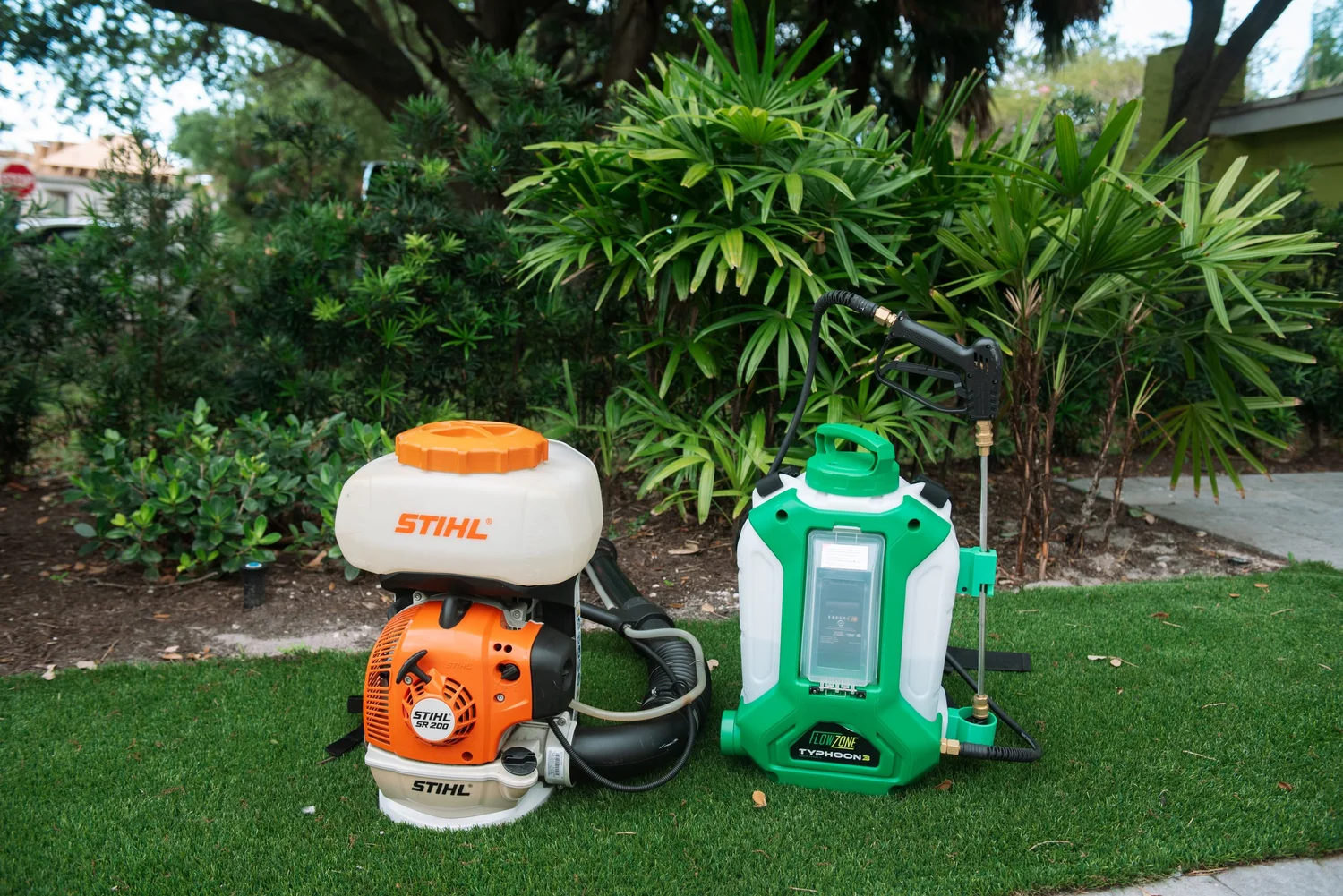
Call (561) 672-0200. Tyler answers, gives you a price range on the first call, and books your Coconut Creek appointment into the next dispatch window (standard scheduling runs same-week; stinging-insect emergencies get prioritized).
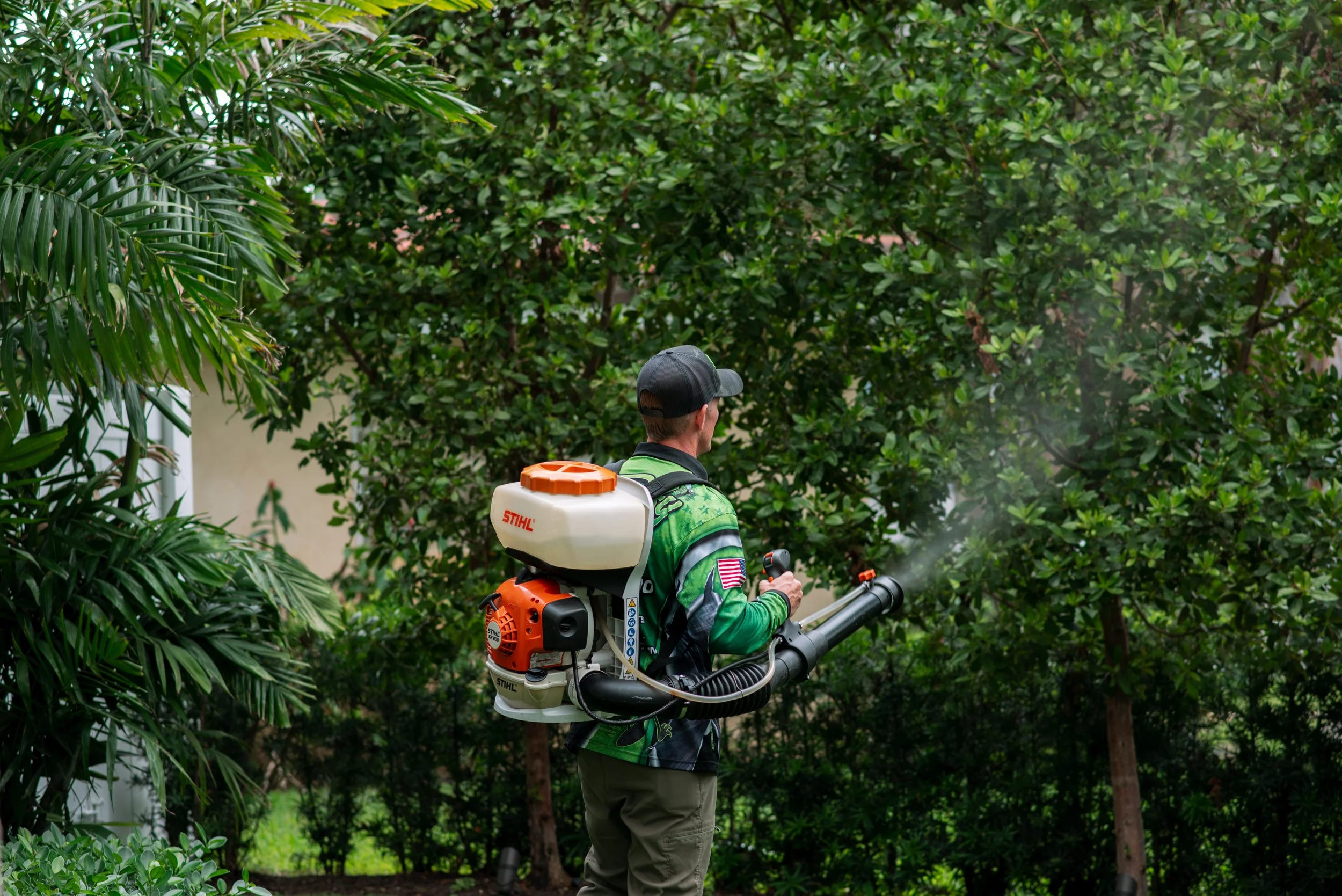
Coconut Creek lawn pest FAQ
Will your whitefly treatment affect the butterflies visiting our garden?
Systemic soil-drench chemistry on ficus-hedge treatment does not broadcast into adjacent butterfly forage. Foliar knockdown (used only when necessary) is timed outside butterfly foraging windows on request. Written condition-of-treatment note documents the specific method and location.
How does shared-canopy palm-scale coordination work in practice?
Tyler identifies adjacent-property canopy sharing during the initial palm-scale inspection. Coordinated treatment across sharing adjacent properties produces durable results (roughly 4-6 seasons before reinfestation) compared to treating one property in isolation (typical reinfestation within 1-2 seasons). Written scope-of-work coordination note distributed to participating properties documents the arrangement.
What if my adjacent-property neighbor won't participate in coordinated treatment?
Treatment on your property alone still knocks down the current infestation but is likely to see faster reinfestation from the untreated adjacent canopy. Follow-up inspection cadence adjusted (every 4-6 months instead of every 8-12 months) to catch reinfestation earlier.
Can you treat fire ants on my yard without affecting the butterfly garden?
Yes. Fire ant targeted mound treatment and broadcast bait application confines treatment to the specific yard zone. Butterfly-garden broadcast exposure is avoided by application route selection.
Do you coordinate with Township HOA property management on scheduled landscape cycles?
Yes. Township area and adjacent master-planned community landscape cycle coordination with HOA property management is standard. Preemptive inspection ahead of scheduled landscape cycles catches pest pressure buildup at treatable stages.
What are the butterfly and honey bee foraging windows I should be aware of?
Typical foraging windows run 9 am to 5 pm during the March-November peak activity period. Any foliar treatment on your property, if you request pollinator-safe timing, is scheduled outside these windows (early morning before 8 am or dusk after 6 pm).
Do you handle standard chinch bug and sod webworm work in Coconut Creek too?
Yes. Standard turf pest diagnostic and treatment on St. Augustine and Zoysia is available across Coconut Creek residential. Systemic soil-drench chemistry preferred where available for turf pest work; foliar work timed pollinator-safe on request.
What's the difference between treating my ficus hedge and treating my palm crowns for scale?
Different chemistry and application method. Ficus hedge whitefly treatment is systemic soil-drench with follow-up underleaf inspection. Palm-crown scale treatment is systemic soil-drench at the root zone with optional foliar knockdown on accessible crowns. Written condition-of-treatment note documents each method and chemistry per site.
Direct line to the technician serving Coconut Creek
Phone: (561) 672-0200 (Tyler answers) · Mon–Fri 8 am – 5 pm
Email: Getbuggify@gmail.com
Address: 22617 Middletown Dr., Boca Raton, FL 33428 (West Boca shop, primary dispatch)
License: FL DACS #JB268060 · Certified Operator: Tyler Craig
Call (561) 672-0200 or submit the form below for a free phone estimate. Tyler answers directly. Coconut Creek dispatch is owner-operator across a route from the West Boca shop, so appointments are pre-scheduled rather than drop-in; most standard jobs book same-week.