
Ant Control in Coconut Creek
Mature tropical oak and palm canopy drives specific sugar, carpenter, and big-headed ant ecology. Landscape-transition awareness on property renovation.
- FL DACS License #JB268060 · Certified Operator Tyler Craig
- Bayer Authorized Applicator (Termidor)
- $1M general liability insurance
- Google 5.0 Rated · live review feed
- Family-owned · 1,000+ South Florida homes served since 2018
- Pet-safe and family-safe treatments by default
- Free phone estimates · no long-term contracts
Coconut Creek's mature tropical canopy shapes ant ecology across most of the city. Sugar ants (Tapinoma species and others) thrive in moisture-consistent shaded conditions. Carpenter ants (Camponotus species) track moisture-adjacent zones created by mature canopy shading and root-adjacent soil moisture. Big-headed ants (Pheidole megacephala) find the tropical landscape hospitable. Beyond the canopy ecology, Coconut Creek's active new-construction western corridor and ongoing property-renovation volume drive landscape-transition surges in ant activity; disturbed established colonies redistribute across the property in 2-6 week windows following significant landscape modification. Tyler's Coconut Creek ant protocol handles the tropical-canopy species ecology plus the landscape-transition surge pattern. The parent Coconut Creek city hub covers the standard South Florida six-species ant baseline; this Tier 3 page focuses on the mature-canopy ecology dimension.
Tropical-Canopy Ant Ecology Specialty
Mature oak and palm canopy across Coconut Creek drives sugar, carpenter, and big-headed ants at higher density than typical suburban stock.
Landscape-Transition Surge Awareness
Property renovation and landscape modification disturb established ant colonies, driving 2-6 week surge in ant activity. Tyler tracks this.
Moisture-Adjacent Carpenter Ant Focus
Mature-canopy properties see more moisture-adjacent zones from tree-shading. Carpenter ants track these zones. Moisture-source resolution before chemistry.
Same Technician Every Visit
Tyler runs every Coconut Creek ant job.
No Long-Term Ant Contract
Bi-monthly plans bill per visit.
Pet-Safe + Family-Safe Placement
Bait in tamper-resistant crack-and-crevice locations.
Why Coconut Creek tropical-canopy ecology drives specific ant species patterns
Standard South Florida ant work assumes suburban mixed-canopy conditions. Coconut Creek's mature tropical canopy density shifts the ecology in specific directions. Sugar ants (Tapinoma species and other sugar-preferring species) thrive in the moisture-consistent shaded conditions that mature oak and palm canopy produce. Interior kitchen sugar ant activity in Coconut Creek is a chronic pressure, tied to the exterior canopy landscape rather than transient. Carpenter ants (Camponotus species) track moisture-adjacent zones, and mature canopy generates these zones through consistent shading, root-adjacent soil moisture, and tree-fall leaf litter maintaining ground-level moisture. Big-headed ants (Pheidole megacephala) find the tropical landscape hospitable, particularly in mulched irrigation-adjacent beds under canopy.
Landscape-transition events introduce a distinct surge pattern into the base ecology. Property renovation, significant landscape modification, tree removal, mulch bed reconstruction, or new landscape installation each disturb established ant colonies. Disturbed colonies redistribute across the property in 2-6 week windows, often producing sudden ant activity in areas that had been clean previously. Tyler tracks landscape-transition events for Coconut Creek customers on the standing plan roster and offers post-transition inspections to catch the surge before it becomes a recurring pressure issue.
The parent Coconut Creek city hub covers the standard South Florida six-species ant baseline (carpenter, fire, sugar, ghost, pharaoh, big-headed). This Tier 3 page focuses on the tropical-canopy ecology dimension and the landscape-transition surge pattern, which the hub does not cover in depth.
Landscape-transition surge: post-renovation sugar and big-headed ant redistribution
The renovation context
A Coconut Creek homeowner completed a substantial backyard renovation, including mature tree removal to open sightlines, mulch-bed reconstruction across the front and side yards, installation of a new irrigation system, and landscape replanting with more open-sun tropical plants. Renovation completed in April. She had been on a Buggify bi-monthly plan for four years with routine ant coverage.
The 3-week post-transition surge
3 weeks post-renovation, homeowner reported sudden sugar ant activity in the kitchen and big-headed ant trailing along the front-yard driveway. Neither had been active in the prior bi-monthly cycles. Tyler recognized the pattern as a landscape-transition surge, disturbed colonies from the renovation redistributing across the property.
The surge response
Interior gel bait for sugar ants at the identified trailing zones. Exterior non-repellent perimeter treatment at the front-yard driveway line where big-headed ants were now active. Non-repellent bait application at identified nest sites in the new mulched beds. Repellent spray explicitly avoided (would have split the redistributing colonies further). Post-surge monitoring at weeks 3 and 6 confirmed that activity dropped to zero. Owner moved to the Complete tier for ongoing landscape transition monitoring given her renovation plans.
Five technical details specific to Coconut Creek tropical-canopy ant work
Canopy-driven sugar ant ecology, moisture-adjacent carpenter ant tracking, big-headed ant mulched-bed work, landscape-transition surge protocol, and integration with parent hub.
Canopy-Driven Sugar Ant Ecology on Coconut Creek Properties
Sugar ants (Tapinoma species and other sugar-preferring species) thrive in the moisture-consistent shaded conditions that mature oak and palm canopy produce. Interior kitchen sugar ant activity is chronic pressure tied to the exterior canopy landscape rather than a transient event. Treatment approach uses gel bait interior + exterior perimeter non-repellent product + canopy-continuity awareness for the source ecology. Repellent perimeter spray splits sugar ant colonies and worsens recurrence.
Moisture-Adjacent Carpenter Ant Tracking on Mature-Canopy Properties
Carpenter ants (Camponotus species) track moisture-adjacent zones that mature canopy generates, consistent shading maintaining ground-level moisture, root-adjacent soil moisture, and tree-fall leaf litter accumulation. Tyler's diagnostic identifies the specific moisture source before selecting carpenter ant chemistry. Non-repellent carpenter ant bait + moisture-source resolution together break the recurrence cycle. Chemistry alone leaves the moisture source producing recurring activity.
Big-Headed Ant Mulched-Bed Work in Tropical Landscape
Big-headed ants (Pheidole megacephala) find the mulched irrigation-adjacent beds under mature canopy hospitable. Bait chemistry (protein-preferring) matched to species. Non-repellent product only; big-headed ants split colonies when disturbed by repellent.
Landscape-Transition Surge Protocol
Property renovation, significant landscape modification, tree removal, mulch reconstruction, or new landscape installation disturbs established ant colonies. Disturbed colonies redistribute across the property in 2-6 week windows. Tyler's protocol tracks landscape-transition events for Complete-tier customers and offers post-transition inspection within 3-4 weeks of the event to catch the surge before it establishes as recurring pressure.
Coordination with Parent Hub Six-Species Baseline
Parent hub covers standard South Florida six-species baseline. Non-tropical-canopy Coconut Creek residential fits the parent hub's standard protocol. Tropical canopy properties add this page's ecological dimension.
Every Coconut Creek ant issue Buggify handles
Four Coconut Creek ant-work profiles matched to canopy ecology and landscape context.
Sugar ant work on mature-canopy properties (chronic pressure)
Interior kitchen sugar ant activity tied to exterior canopy landscape ecology. Gel bait interior + non-repellent exterior perimeter + canopy-continuity awareness. Chronic rather than transient pressure requires ongoing bi-monthly coverage.
Moisture-adjacent carpenter ant work
Mature-canopy moisture zones drive carpenter ant activity. Moisture-source diagnosis + non-repellent carpenter ant bait + source resolution. Structural repair referral where wood-boring is structural rather than nuisance.
Big-headed ant mulched-bed work
Tropical mulched irrigation-adjacent beds under canopy. Protein-preferring bait chemistry + non-repellent perimeter. Colony-splitting risk from repellent explicitly avoided.
Landscape-transition surge response (post-renovation, post-tree-removal, post-modification)
Post-transition inspection within 3-4 weeks of significant landscape events. Disturbed colonies redistribute in 2-6 week windows. Early intervention catches redistribution before it establishes as recurring pressure.
Four Coconut Creek conditions that shape ant work
Coconut Creek's tropical canopy density, ongoing renovation and construction activity, prevalence of mulched landscapes, and coordination with the parent hub baseline each shape the ant protocol.
Mature Tropical Canopy Density
Higher mature oak and palm canopy density than typical suburban stock. Drives sugar, carpenter, and big-headed ant species ecology at chronic-pressure scale.
Active Renovation + Construction Activity
Ongoing property renovation and new-construction activity across the city. Landscape-transition surges are a recurring pattern rather than isolated events.
Mulched-Landscape Prevalence Under Canopy
Tropical landscape design commonly includes deep mulched irrigation-adjacent beds under canopy. Big-headed and sugar ant favorable conditions.
Coordination with Parent Hub Six-Species Baseline
Standard South Florida six-species ant baseline covered on parent Coconut Creek city hub.
Coconut Creek ant job pricing
Standard Buggify ant pricing with landscape-transition surge response as specialty scope.
One-Time Treatment,from $175
Standard single-species interior or perimeter treatment.
Landscape-Transition Surge Response,from $250
Post-renovation or post-landscape-modification surge response. Multi-species diagnosis + coordinated bait application + monitoring visits.
Fire Ant Yard Treatment,Custom
Priced by mound count and yard size.
Bi-Monthly Plan Coverage
All three bi-monthly tiers include ant coverage. Mature-canopy properties often benefit from the Complete tier for ongoing chronic-pressure monitoring.
Buggify vs. National Pest Chains
5-point comparison. Every row verifiable from how Buggify operates.
| Feature | Buggify in Coconut Creek | National Pest Chains |
|---|---|---|
| Canopy-driven sugar ant ecology recognition | Standard on mature-canopy inspections | Interior spray addresses symptom, not source ecology |
| Moisture-adjacent carpenter ant tracking | Standard on mature-canopy properties | Chemistry-only approach |
| Landscape-transition surge protocol | Post-transition inspection within 3-4 weeks | No transition-event awareness |
| Non-repellent chemistry throughout | Standard, prevents colony splitting | Repellent spray common, worsens sugar + big-headed pressure |
| Same technician every visit | Tyler runs every Coconut Creek ant job | Rotating route techs |
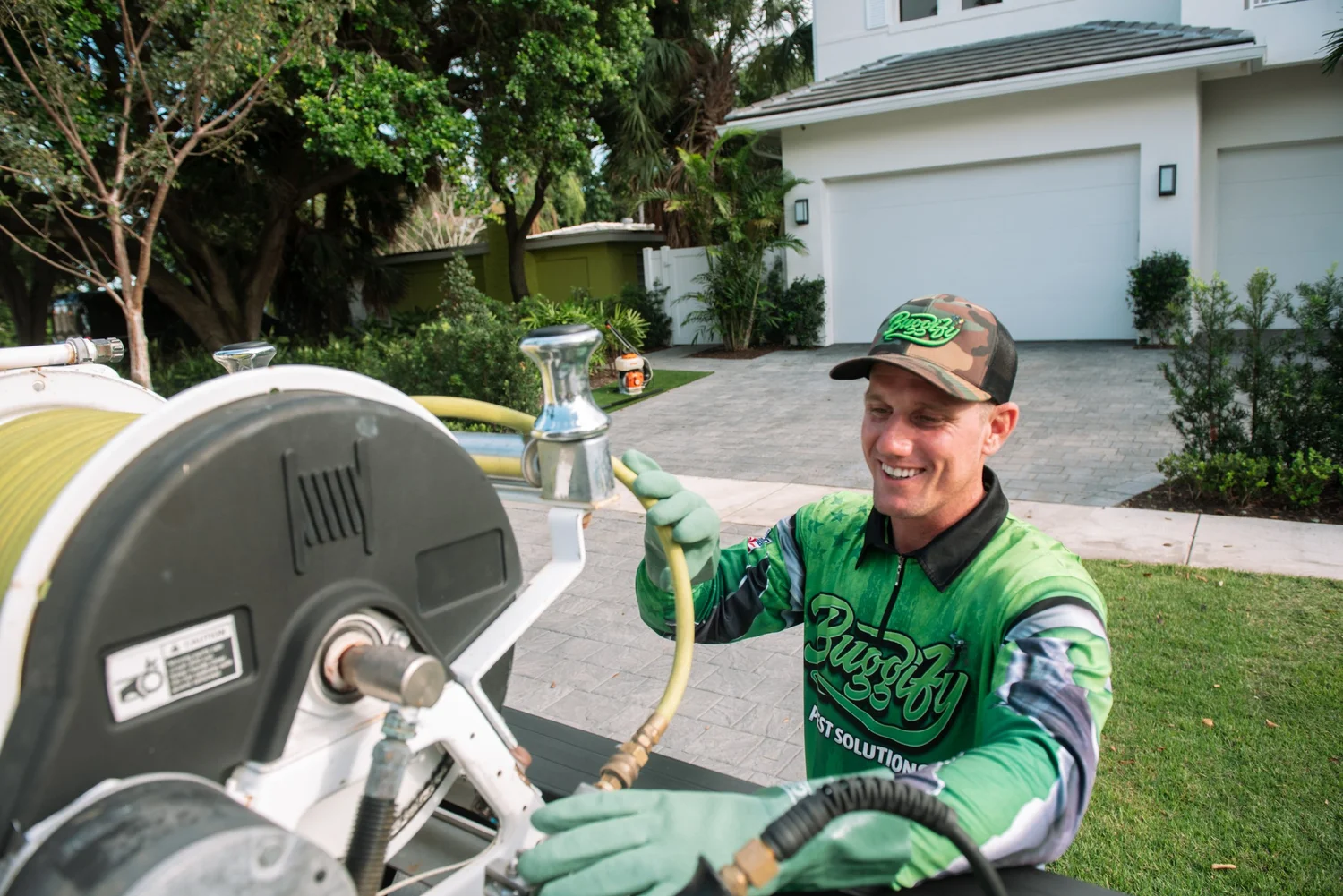
Read what Coconut Creek customers say on Google directly
Coconut Creek ant reviews from mature-canopy property owners often reference the canopy ecology conversation. Homeowners who had chronic sugar or carpenter ant pressure attributed to occasional treatment failures describe the exterior canopy-source explanation as the change from reactive to source-informed coverage. Google 5.0 Rated · live review feed.
Three things Buggify will never do to you
Three things Buggify will never do to you (full list of seven on Why Choose Buggify):
Quote a real treatment price without inspecting the property first. Phone gives a range; firm pricing comes after an on-site walkthrough.
Indoor spraying when the source is outside. Most of the pest pressure in Coconut Creek is driven by outdoor harborage; indoor-only work is a short-term cover-up.
Long-term contracts that lock you in. Bi-monthly plans bill per visit and cancel anytime, no fees.
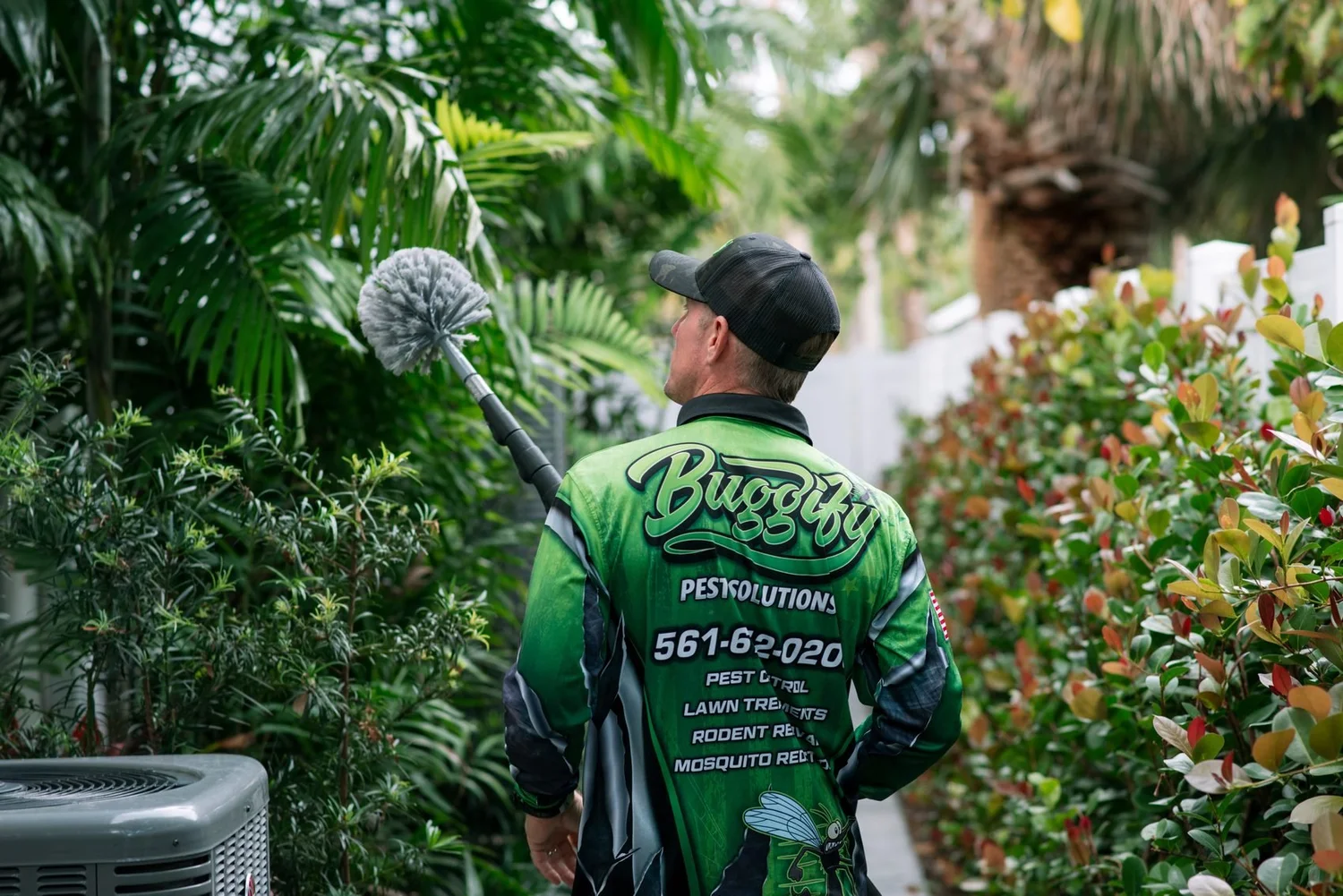
Call (561) 672-0200. Tyler answers, gives you a price range on the first call, and books your Coconut Creek appointment into the next dispatch window (standard scheduling runs same-week; stinging-insect emergencies get prioritized).
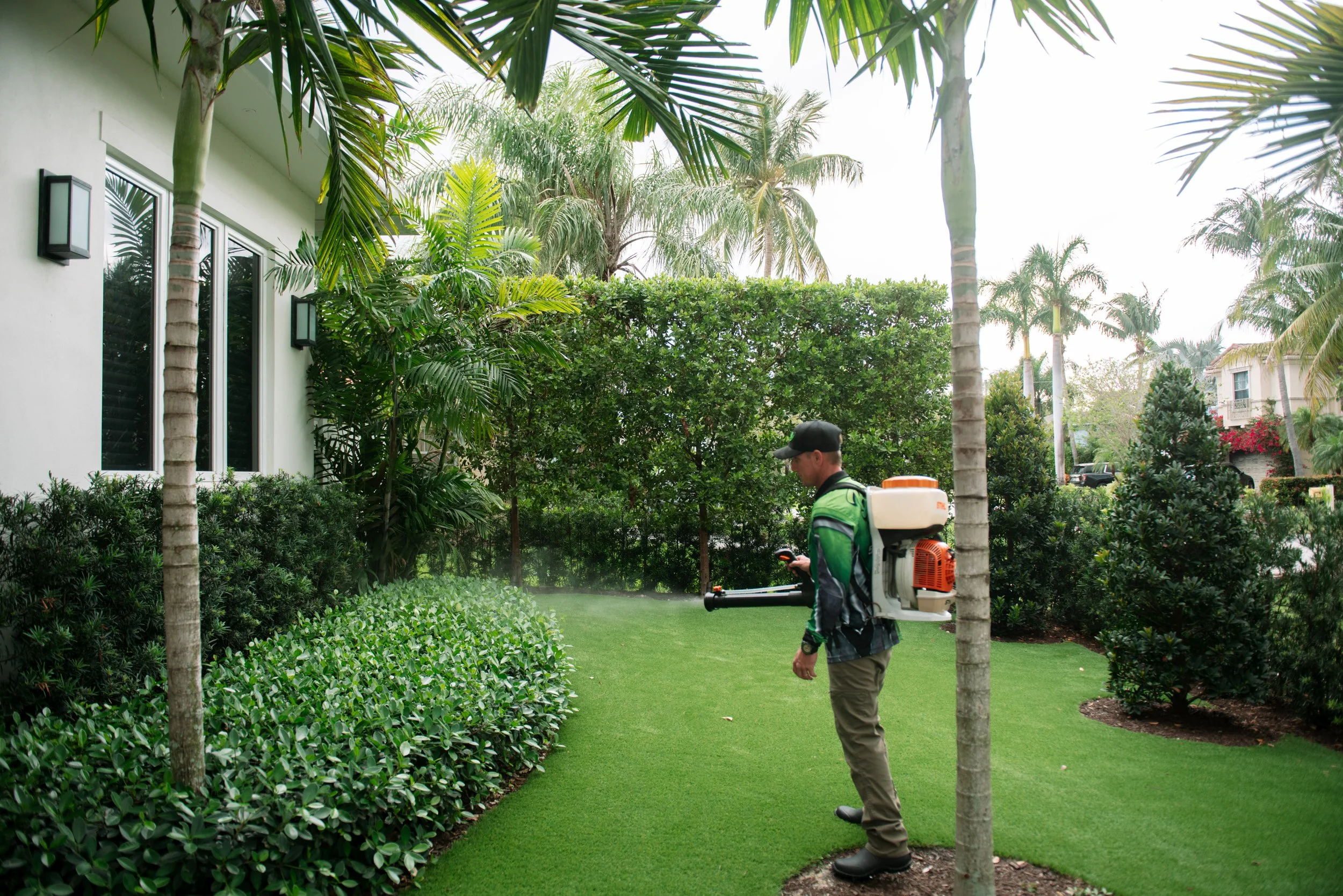
Six Coconut Creek ant questions Tyler hears most often
I have chronic sugar ant activity in my kitchen despite regular treatment. Why?
Coconut Creek's mature canopy drives sugar ant ecology at chronic-pressure scale; the exterior canopy landscape is the source rather than a transient event. Interior gel bait + non-repellent exterior perimeter + source awareness together address it. Repellent perimeter spray splits sugar ant colonies and worsens the recurrence pattern.
I just did a big backyard renovation and suddenly have ants where I did not before. Coincidence?
Almost certainly a landscape-transition surge. Disturbed established colonies redistribute across the property within 2-6-week windows following significant landscape modification. Tyler offers post-transition inspections within 3-4 weeks of major landscape events to catch surges early.
My mature-canopy home has carpenter ants. Structural damage?
Sometimes, more often a moisture-adjacent nuisance rather than structural. Mature canopy generates moisture zones (shading, root-adjacent soil moisture, leaf-litter accumulation) that carpenter ants track. Tyler's diagnostic identifies the moisture source and refers structural repair where the boring is structural.
What is the difference between sugar ants, ghost ants, and big-headed ants?
Sugar ants (Tapinoma and related) prefer sugar baits and thrive in moisture-consistent shaded conditions. Ghost ants (Tapinoma melanocephalum) also prefer sugar and favor consistent-humidity conditions. Big-headed ants (Pheidole megacephala) prefer protein baits and favor mulched irrigation-adjacent beds. Each needs matched bait chemistry.
I'm in western Coconut Creek new construction. Do canopy patterns apply?
Not yet if the property is still recent construction with immature landscape. Standard parent hub western new-construction first-year exclusion protocol applies. As landscape matures, canopy ecology becomes relevant.
How much does landscape-transition surge response cost?
From $250 for post-transition multi-species diagnosis + coordinated bait application + monitoring. Higher than routine ant treatment because of the multi-species scope and monitoring visits.
Direct line to the technician serving Coconut Creek
Phone: (561) 672-0200 (Tyler answers) · Mon–Fri 8 am – 5 pm
Email: Getbuggify@gmail.com
Address: 22617 Middletown Dr., Boca Raton, FL 33428 (West Boca shop, primary dispatch)
License: FL DACS #JB268060 · Certified Operator: Tyler Craig
Call (561) 672-0200 or submit the form below for a free phone estimate. Tyler answers directly. Coconut Creek dispatch is owner-operator across a 20-25-mile route, so appointments are pre-scheduled rather than drop-in; most standard jobs book the same week.