
Mosquito Control in Lighthouse Point
Canal-branch dead-end backwater micro-breeding + private-dock overhang shade zones. Hyperlocal source work.
- FL DACS License #JB268060 · Certified Operator Tyler Craig
- Bayer Authorized Applicator (Termidor)
- $1M general liability insurance
- Google 5.0 Rated · live review feed
- Family-owned · 1,000+ South Florida homes served since 2018
- Pet-safe and family-safe treatments by default
- Free phone estimates · no long-term contracts
Lighthouse Point's canal-built residential density includes many small canal branches that end in dead-ends at private-dock termini. These dead-end backwaters produce stagnant water with concentrated mosquito breeding that main-canal flow does not affect. Overlay private-dock decking shading the water beneath, and you get additional micro-breeding zones the standard canal-cadence perimeter treatment does not address. Tyler's Lighthouse Point mosquito protocol includes hyperlocal source identification at canal-branch dead ends and private-dock overhang shade zones, deployment of Bti larvicide at identified sources, and matching perimeter cadence to the property's actual pressure profile. Parent Lighthouse Point city hub covers year-round canal-edge mosquito cadence and dock-line inspection; this Tier 3 page focuses on the hyperlocal source dimension.
Canal-Branch Dead-End Backwater Specialty
Small canal branches that end in dead ends produce stagnant backwater that supports concentrated mosquito breeding. Different treatment from main-canal cadence.
Private-Dock Overhang Shade Zones
Private-dock-shaded water beneath the dock decking creates additional micro-breeding zones. Bti deployment addresses these directly.
Hyperlocal Source Identification
Property-specific canal-branch and dock-overhang inspection alongside standard parent hub protocol.
Same Technician Every Visit
Tyler tracks Lighthouse Point sources across visits.
Pet + Kid Safe by Default
SDS available.
No Long-Term Contract
Bills per visit.
Three Lighthouse Point conditions that shape hyperlocal mosquito work
Lighthouse Point's canal-branch dead-end density, private-dock shade zones, and coordination with parent hub each shape the mosquito protocol.
Canal-Branch Dead-End Backwater Prevalence
Small canal branches ending in dead-ends at private-dock termini produce stagnant backwater with concentrated mosquito breeding. Main-canal flow does not affect these.
Private-Dock Overhang Shade Zones
Private-dock decking shades the water beneath, creating additional micro-breeding zones different from open canal-edge conditions.
Year-Round Canal-Edge Cadence (Parent Hub Reference)
Standard year-round monthly May-Oct + bi-monthly cool + Bti tablet deployment covered on parent hub.
Every Lighthouse Point mosquito issue Buggify handles
Lighthouse Point mosquito-work profiles matched to hyperlocal source contexts.
Canal-branch dead-end backwater hyperlocal source treatment
Bti larvicide deployment at identified dead-end backwater sources on the property.
Private-dock overhang shade zone treatment
Bti + coordinated dock-line residual per parent hub methodology.
Year-round canal-edge cadence (parent hub reference)
Standard year-round monthly + bi-monthly per parent hub.
Bromeliad + container-water source elimination
Standard on-property source-elimination inspection.
Three technical details specific to Lighthouse Point hyperlocal mosquito work
Canal-branch dead-end source identification, private-dock overhang treatment, and integration with parent hub year-round cadence.
Canal-Branch Dead-End Backwater Source Identification
Standard Lighthouse Point mosquito inspection identifies dead-end canal-branch backwaters on the property. Bti larvicide deployment targets these stagnant sources that main-canal flow does not clear. Sources documented and treatment coordinated with the year-round parent hub cadence.
Private-Dock Overhang Shade Zone Treatment
Dock decking shading the water beneath creates additional micro-breeding zones. Bti larvicide deployment beneath the dock plus coordinated dock-line residual addresses the shade-zone pressure.
Coordination with Parent Hub Year-Round Canal-Edge Cadence
Year-round monthly May-October + bi-monthly cooler months + Bti tablet deployment covered on parent Lighthouse Point city hub. Hyperlocal source work extends this on properties with identified dead-end or shade sources.
Canal-branch dead-end case: property-specific source identification cleared chronic pressure
The pattern
A Lighthouse Point homeowner on the standard parent-hub year-round mosquito cadence still had chronic mosquito pressure on the dock area. Standard perimeter and dock-line treatment was not clearing the issue.
The source walk
Tyler ran a hyperlocal source inspection. Identified a small canal-branch dead-end 30 feet from the dock that was consistently holding stagnant water, plus the shaded zone beneath the dock decking was supporting additional micro-breeding.
The response
Bti larvicide deployment at both sources. Continued standard year-round cadence. Dock-area mosquito pressure dropped substantially within one cycle.
Why Lighthouse Point mosquito work needs hyperlocal source identification
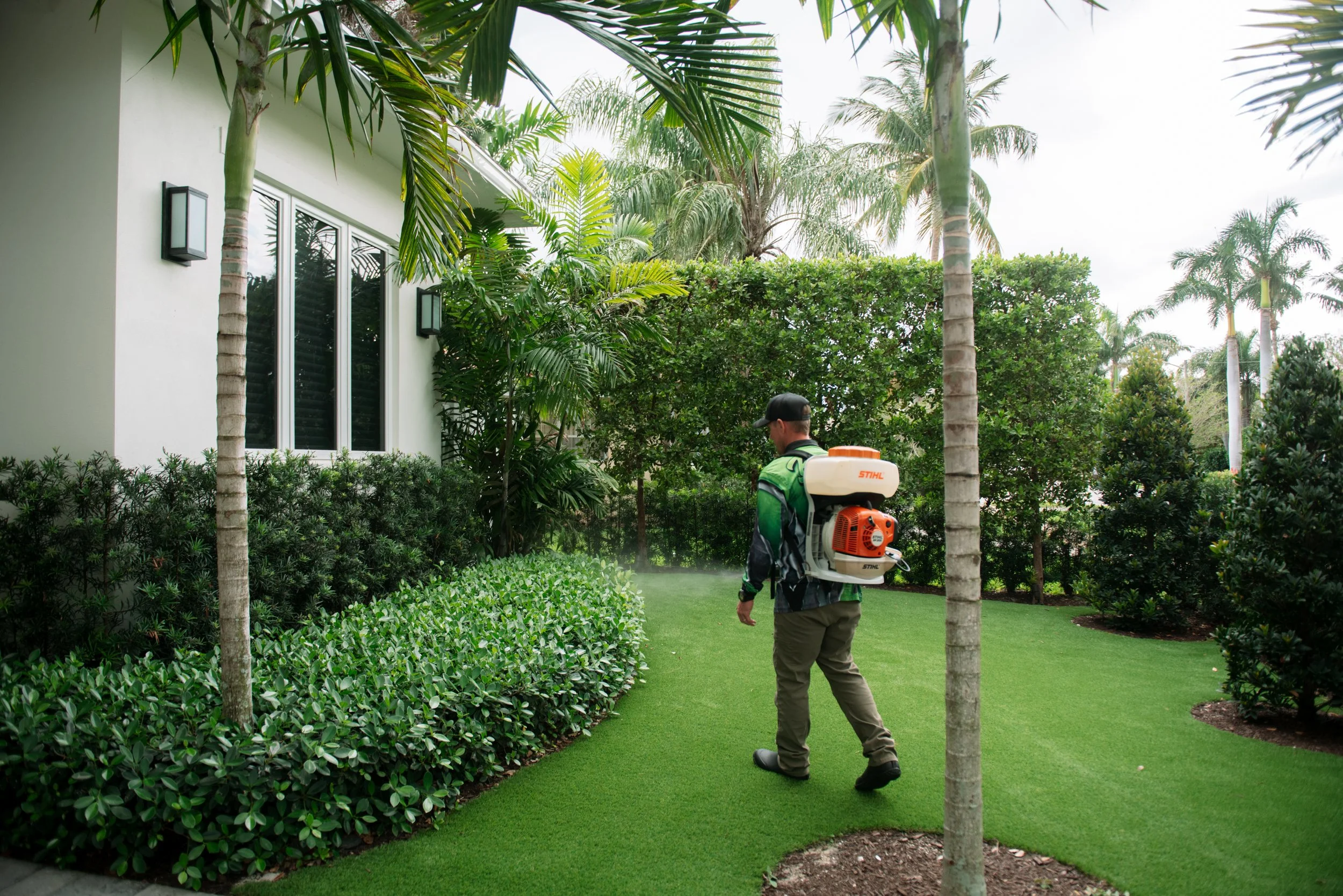
Standard canal-cadence mosquito work addresses main-canal breeding through consistent barrier treatment and larvicide deployment. Lighthouse Point's canal-branch dead-end density adds a specific hyperlocal source dimension standard cadence does not fully address. Small canal branches ending in dead ends produce stagnant backwater that the main-canal flow does not clear, and private-dock decking shading the water beneath creates additional micro-breeding zones.
Tyler's Lighthouse Point mosquito protocol includes hyperlocal source identification alongside the parent hub year-round cadence. Bti larvicide deployment at identified sources, coordinated dock-line residual per parent hub methodology, and homeowner reporting for potential source correction where feasible.
Parent Lighthouse Point city hub covers year-round canal-edge cadence and dock-line inspection. This Tier 3 page focuses on the hyperlocal dead-end and shade-zone source dimension.
Lighthouse Point mosquito pricing
Standard Buggify pricing with hyperlocal source identification on every inspection.
One-Time Treatment,$125-225
Single visit.
Year-Round Canal Program (Parent Hub Scope),Custom
Standard year-round cadence covered on parent hub.
Hyperlocal Source Identification
Included in standard inspection.
Complete Plan Coverage
Bundles year-round mosquito + hyperlocal source work.
Buggify vs. National Pest Chains
4-point comparison. Every row verifiable from how Buggify operates.
| Feature | Buggify in Lighthouse Point | National Pest Chains |
|---|---|---|
| Canal-branch dead-end source identification | Standard on Lighthouse Point inspections | Main-canal-only protocol misses dead-ends |
| Private-dock overhang shade zone treatment | Bti + coordinated dock-line residual | Not part of standard protocol |
| Year-round canal cadence (parent hub) | Standard on every canal-adjacent property | Seasonal quarterly misses year-round pressure |
| Same technician tracking property sources | Tyler runs every Lighthouse Point mosquito job | Rotating techs |
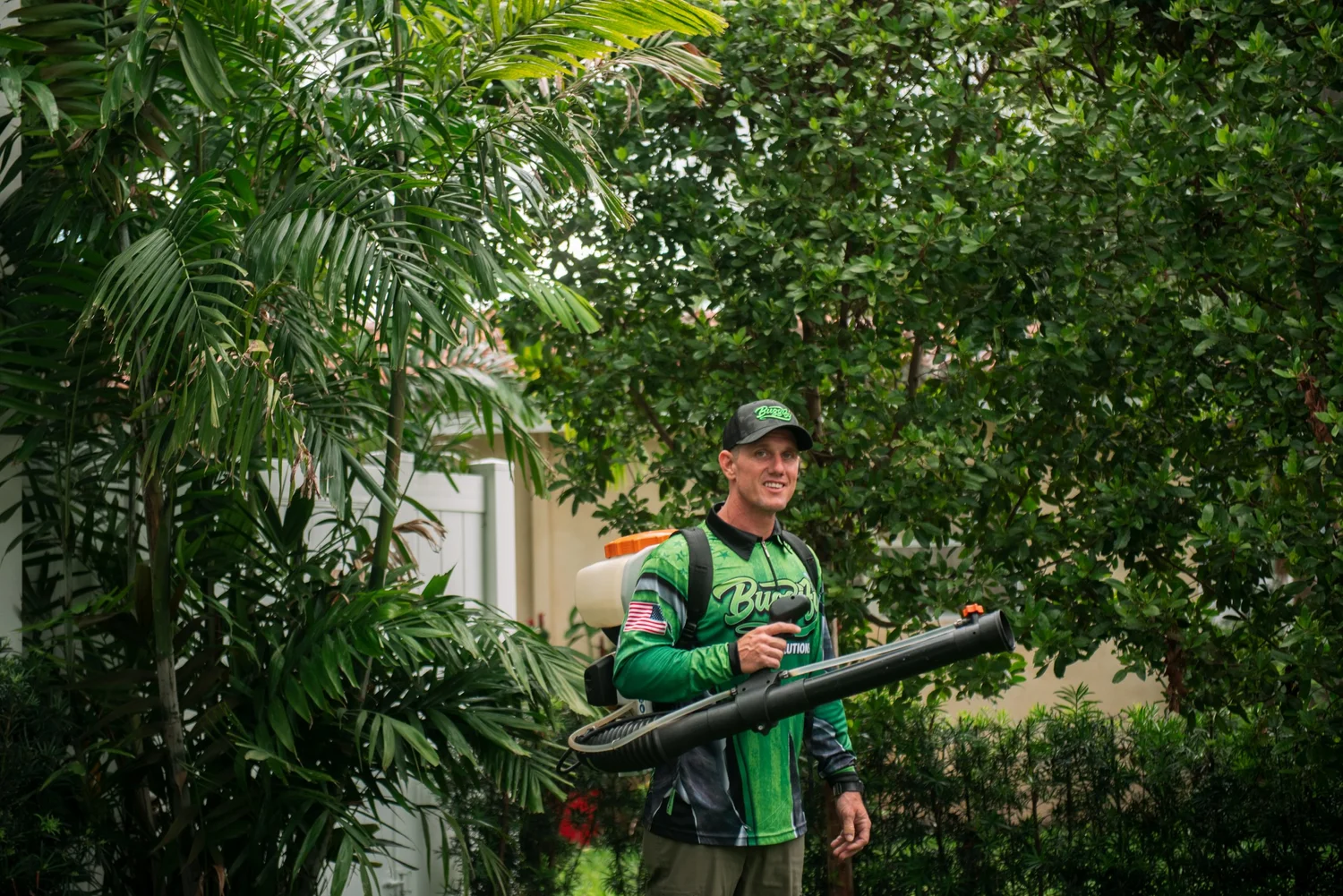
Read what Lighthouse Point customers say on Google directly
Lighthouse Point mosquito reviews often reference the hyperlocal source identification as the change from standard cadence that never fully cleared dock-area pressure. Google 5.0 Rated · live review feed.
Three things Buggify will never do to you
Three things Buggify will never do to you (full list of seven on Why Choose Buggify):
Quote a real treatment price without inspecting the property first. Phone gives a range; firm pricing comes after an on-site walkthrough.
Indoor spraying when the source is outside. Most Lighthouse Point pest pressure is driven by outdoor harborage; indoor-only work is a short-term cover-up.
Long-term contracts that lock you in. Bi-monthly plans bill per visit and can be canceled anytime, no fees.
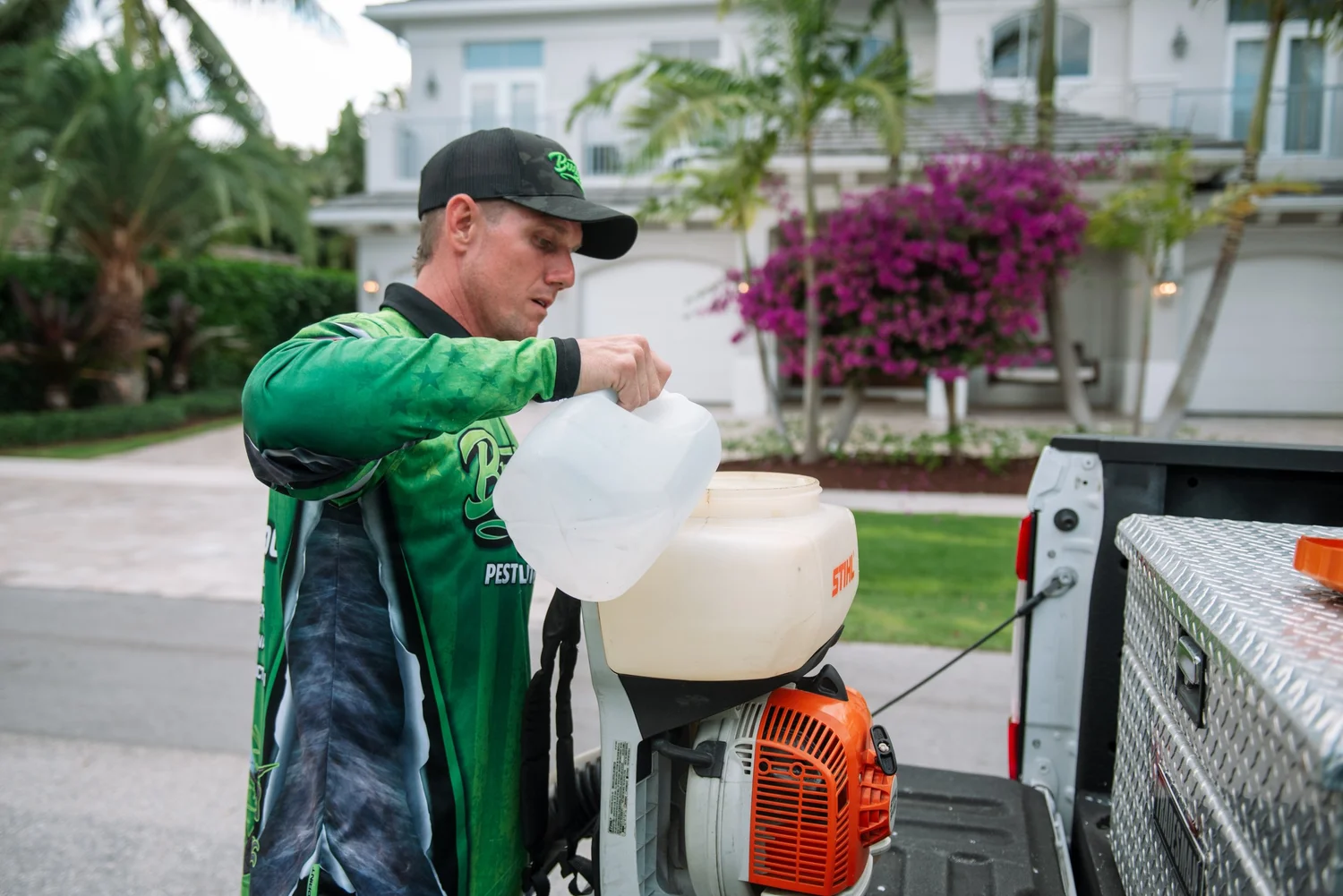
Call (561) 672-0200. Tyler answers, gives you a price range on the first call, and books your Lighthouse Point appointment into the next dispatch window (standard scheduling runs same-week; stinging-insect emergencies get prioritized).
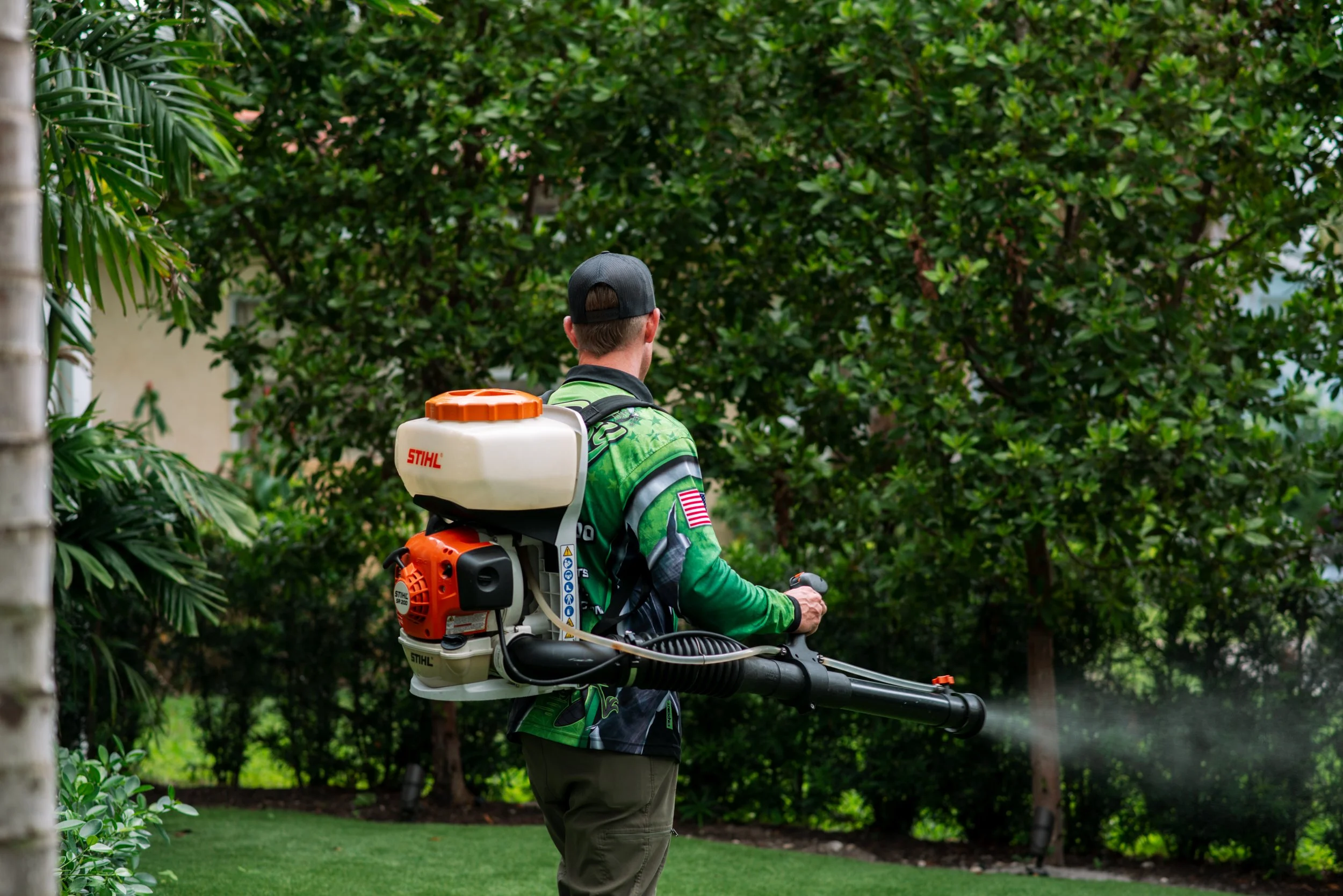
Five Lighthouse Point mosquito questions Tyler hears most often
My dock has chronic mosquito pressure despite standard canal service. Why?
Often a hyperlocal source, canal-branch dead-end backwater, or private-dock overhang shade zone. Tyler's inspection identifies these and deploys Bti larvicide alongside standard cadence.
What is Bti and is it safe for the canal?
Bti (Bacillus thuringiensis israelensis) is a bacterial larvicide, safe for fish, birds, pets, and beneficial insects. Marine-safe deployment at canal-branch dead-ends and dock overhang shade zones.
My property is on a small canal branch. Any different?
Same year-round dual protocol per parent hub. Dead-end and shade-zone hyperlocal sources addressed per this page's extended scope.
How fast can Tyler dispatch to Lighthouse Point?
22-28 miles south of shop, standard scheduling books same-week.
Are your treatments safe for waterfront use?
Yes, water-quality-aware application at dock-line and canal-adjacent zones. Bti and hand-pump precision residuals appropriate for waterfront application.
Direct line to the technician serving Lighthouse Point
Phone: (561) 672-0200 (Tyler answers) · Mon–Fri 8 am – 5 pm
Email: Getbuggify@gmail.com
Address: 22617 Middletown Dr., Boca Raton, FL 33428 (West Boca shop, primary dispatch)
License: FL DACS #JB268060 · Certified Operator: Tyler Craig
Call (561) 672-0200 or submit the form below for a free phone estimate. Tyler answers directly. Lighthouse Point dispatch is owner-operator across a 20-25-mile route, so appointments are pre-scheduled rather than drop-in; most standard jobs book the same week.