
Ant Control in Lighthouse Point
Waterfront humidity drives ghost ant activity. Salt-air moisture-adjacent carpenter ant work on dockside residential.
- FL DACS License #JB268060 · Certified Operator Tyler Craig
- Bayer Authorized Applicator (Termidor)
- $1M general liability insurance
- Google 5.0 Rated · live review feed
- Family-owned · 1,000+ South Florida homes served since 2018
- Pet-safe and family-safe treatments by default
- Free phone estimates · no long-term contracts
Lighthouse Point's 100% waterfront residential character produces two specific ant patterns most inland cities do not concentrate. Waterfront humidity is consistently higher than inland (canal proximity, ocean/Intracoastal exposure) and drives ghost ant activity as chronic rather than transient pressure. Salt-air-driven wood degradation on dockside decking, fascia, and trim creates moisture-adjacent zones that carpenter ants track. Tyler's Lighthouse Point ant protocol handles both patterns with strict non-repellent chemistry throughout. Parent Lighthouse Point city hub covers standard South Florida ant baseline; this Tier 3 page focuses on the waterfront humidity + salt-air moisture-adjacent dimensions.
Waterfront Ghost Ant Specialty
Consistent waterfront humidity drives chronic ghost ant activity in Lighthouse Point kitchens. Non-repellent bait chemistry only.
Salt-Air Moisture-Adjacent Carpenter Ant
Salt-air-driven wood degradation on dockside residential properties creates moisture-adjacent zones that support carpenter ants.
Six-Species Non-Repellent Chemistry
Standard six-species with strict non-repellent chemistry; waterfront properties are ghost ant-sensitive.
Same Technician Every Visit
Tyler runs every Lighthouse Point ant job.
No Long-Term Contract
Bills per visit.
Pet-Safe + Family-Safe Placement
Bait in tamper-resistant locations.
Every Lighthouse Point ant issue Buggify handles
Lighthouse Point ant-work profiles matched to waterfront conditions.
Waterfront ghost ant chronic-pressure work
Non-repellent gel bait interior + non-repellent exterior perimeter. Repellent chemistry explicitly avoided.
Salt-air moisture-adjacent carpenter ant work
Moisture-source diagnosis on dockside residential wood degradation zones + non-repellent carpenter ant bait.
Six-species baseline (parent hub reference)
Standard six-species chemistry covered on parent hub.
Marine-safe dock-line ant work
Bait placement respectful of water-quality regulations.
Waterfront salt-air carpenter ant: dockside deck-post moisture-source resolution
The context
A Lighthouse Point dockside homeowner had recurring carpenter ants around a dock-adjacent deck post. Previous treatment had used repellent spray.
The moisture-source diagnostic
Tyler identified salt-air-driven wood degradation on the dock-adjacent deck post + a moisture-adjacent zone where the post met the concrete slab. Ghost ant activity also present on kitchen inspection.
The coordinated response
Non-repellent carpenter ant bait at the deck post + moisture-source resolution referral for post replacement. Ghost ant non-repellent gel bait interior. All species cleared within 4 weeks.
Three technical details specific to Lighthouse Point waterfront ant work
Waterfront humidity ghost ant chemistry, salt-air moisture-source diagnosis, and integration with parent hub baseline.
Waterfront Humidity Ghost Ant Chemistry
Ghost ants thrive in consistent-humidity conditions. Waterfront Lighthouse Point humidity drives chronic ghost ant activity. Non-repellent bait chemistry only; repellent spray splits ghost ant colonies through wall voids.
Salt-Air Moisture-Adjacent Carpenter Ant Work
Salt-air-driven wood degradation on dockside decking, fascia, and trim creates moisture-adjacent zones carpenter ants track. Moisture-source diagnosis before chemistry. Structural repair referral for degraded wood.
Coordination with Parent Hub Six-Species Baseline
Standard six-species baseline covered on parent hub. Waterfront ghost + salt-air carpenter extend this specifically to Lighthouse Point.
Three Lighthouse Point conditions that shape waterfront ant work
Lighthouse Point's 100% waterfront character, consistent humidity, and salt-air degradation each shape the ant protocol.
100% Waterfront Residential Character
Every Lighthouse Point property is within walking distance of water. Consistent waterfront ecology drives ant species patterns different from inland residential.
Consistent Waterfront Humidity
Higher relative humidity than inland residential year-round. Ghost ant activity is chronic rather than transient.
Salt-Air Wood Degradation on Dockside Structures
Salt-air-driven wood degradation creates moisture-adjacent zones supporting carpenter ants. Moisture-source diagnosis + structural repair referral.
Why Lighthouse Point ant work centers waterfront humidity + salt-air
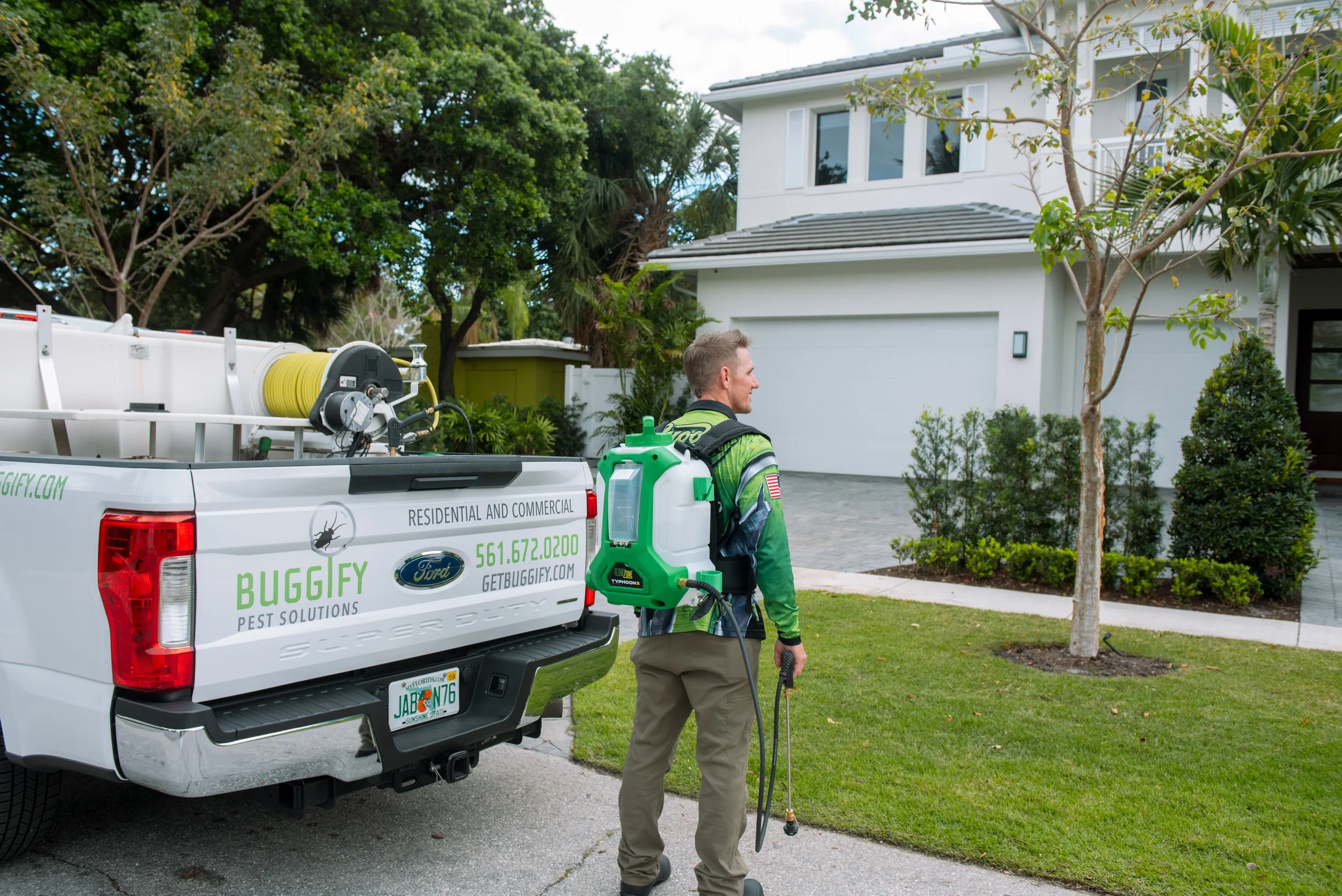
Standard ant protocols assume inland residential conditions. Lighthouse Point's 100% waterfront character breaks that assumption. Consistent waterfront humidity (canal + ocean/Intracoastal proximity) drives ghost ant activity as chronic rather than transient pressure. Salt-air-driven wood degradation on dockside decking creates moisture-adjacent zones supporting carpenter ants.
Tyler's Lighthouse Point ant protocol handles both patterns with strict non-repellent chemistry throughout. Ghost ants bud into satellite colonies when disturbed by any repellent; on waterfront Lighthouse Point, that response can worsen the problem substantially. Moisture-source diagnosis is required for carpenter ant work on the salt-air-degraded wood zones.
Parent Lighthouse Point city hub covers standard South Florida ant baseline. This Tier 3 page focuses on the waterfront humidity + salt-air dimensions.
Lighthouse Point ant job pricing
Standard Buggify pricing with waterfront humidity + salt-air coordination.
One-Time Treatment,from $175
Standard single-species treatment.
Waterfront Ghost Ant + Carpenter Ant Coordinated,from $220
Non-repellent chemistry throughout + moisture-source diagnosis.
Bi-Monthly Plan Coverage
All tiers include ant coverage.
Buggify vs. National Pest Chains
4-point comparison. Every row verifiable from how Buggify operates.
| Feature | Buggify in Lighthouse Point | National Pest Chains |
|---|---|---|
| Non-repellent chemistry throughout | Standard on waterfront Lighthouse Point | Repellent spray common, splits ghost ant colonies |
| Salt-air moisture-source diagnosis | Standard on dockside residential | Chemistry-only approach |
| Same technician every visit | Tyler runs every Lighthouse Point ant job | Rotating techs |
| Marine-safe placement near dock-line | Standard, water-quality-aware | Not water-quality-aware |
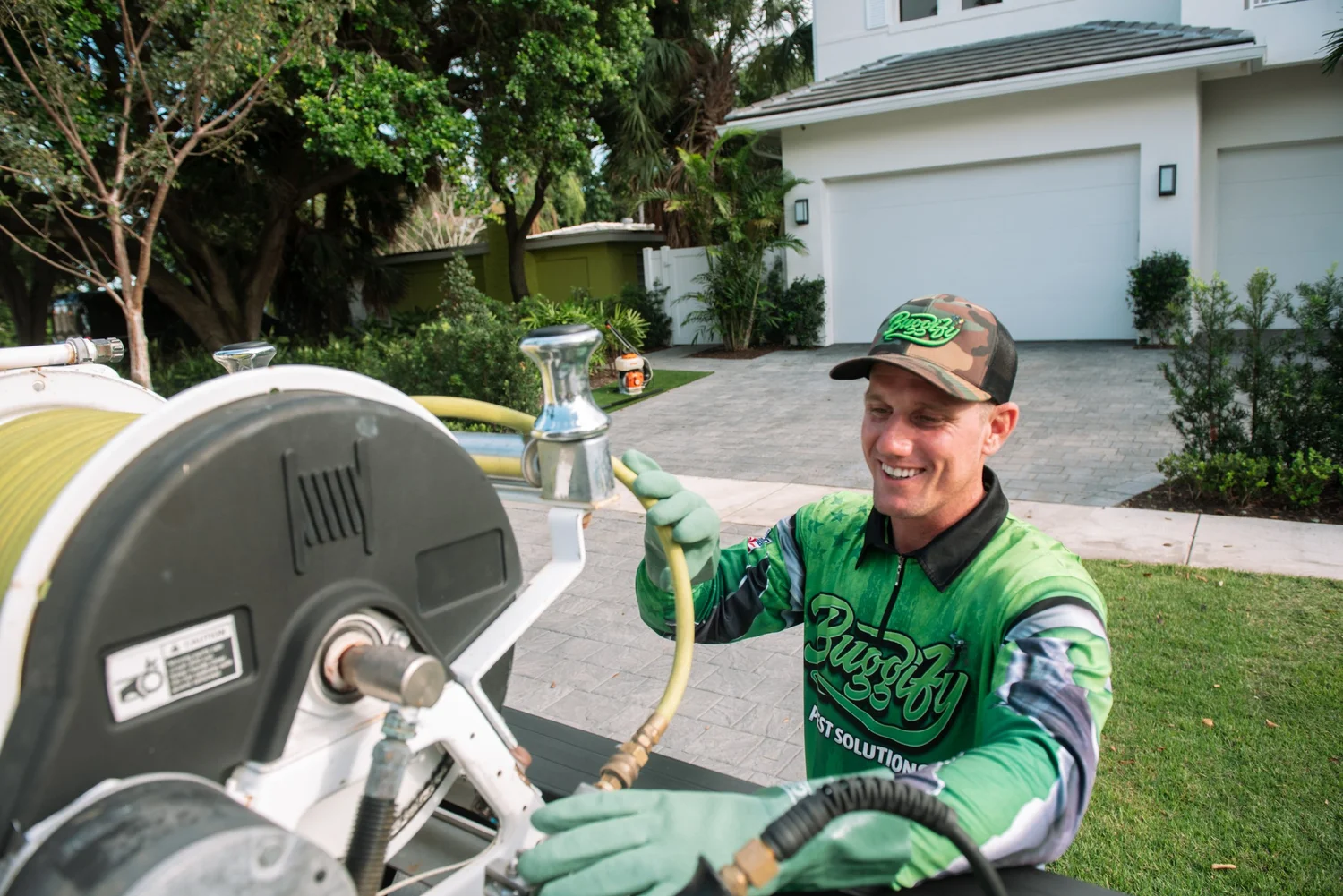
Read what Lighthouse Point customers say on Google directly
Lighthouse Point ant reviews from waterfront residents often reference the non-repellent chemical approach as the change that finally let chronic ghost ant activity clear. Google 5.0 Rated · live review feed.
Three things Buggify will never do to you
Three things Buggify will never do to you (full list of seven on Why Choose Buggify):
Quote a real treatment price without inspecting the property first. Phone gives a range; firm pricing comes after an on-site walkthrough.
Indoor spraying when the source is outside. Most Lighthouse Point pest pressure is driven by outdoor harborage; indoor-only work is a short-term cover-up.
Long-term contracts that lock you in. Bi-monthly plans bill per visit and can be canceled anytime, no fees.
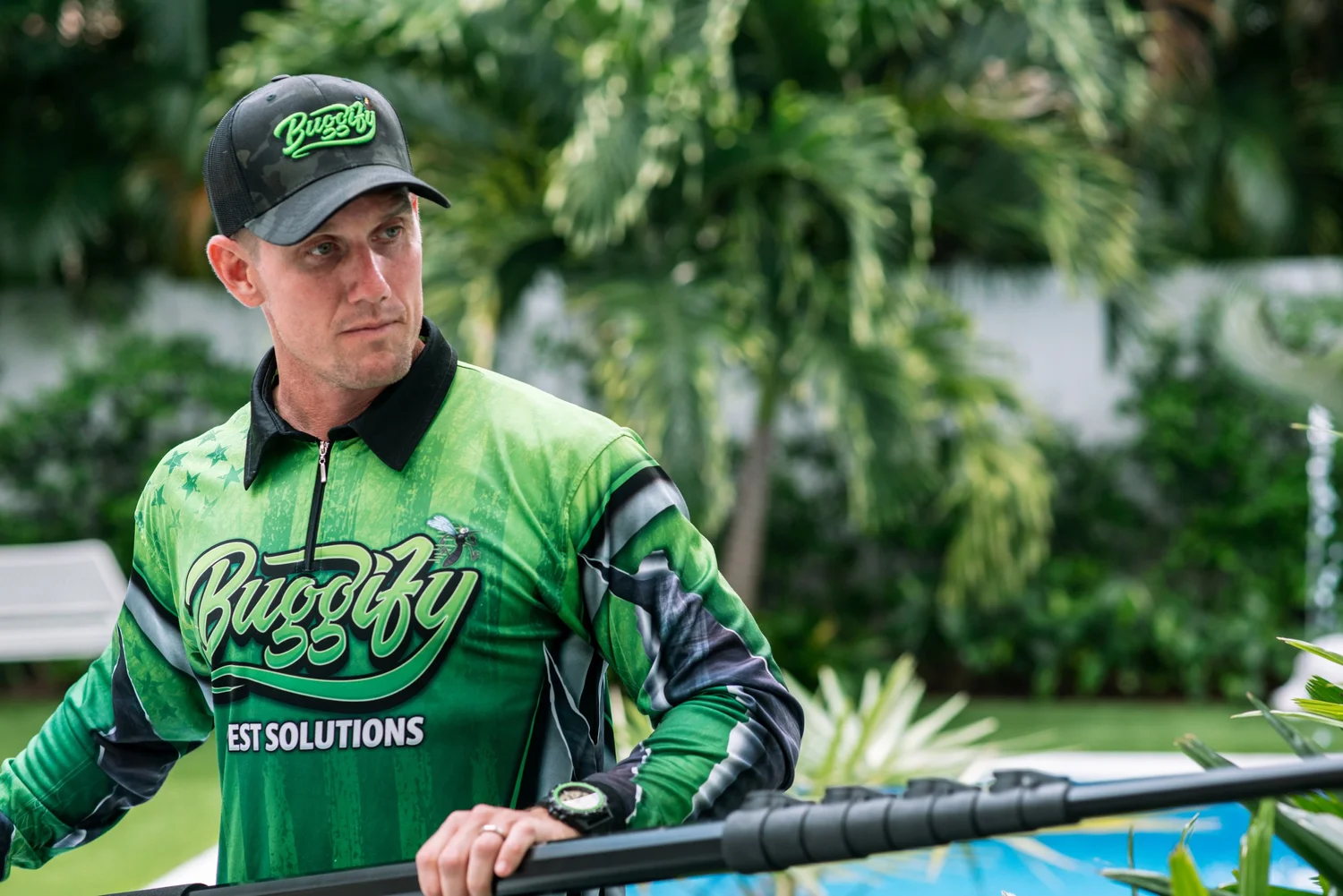
Call (561) 672-0200. Tyler answers, gives you a price range on the first call, and books your Lighthouse Point appointment into the next dispatch window (standard scheduling runs same-week; stinging-insect emergencies get prioritized).
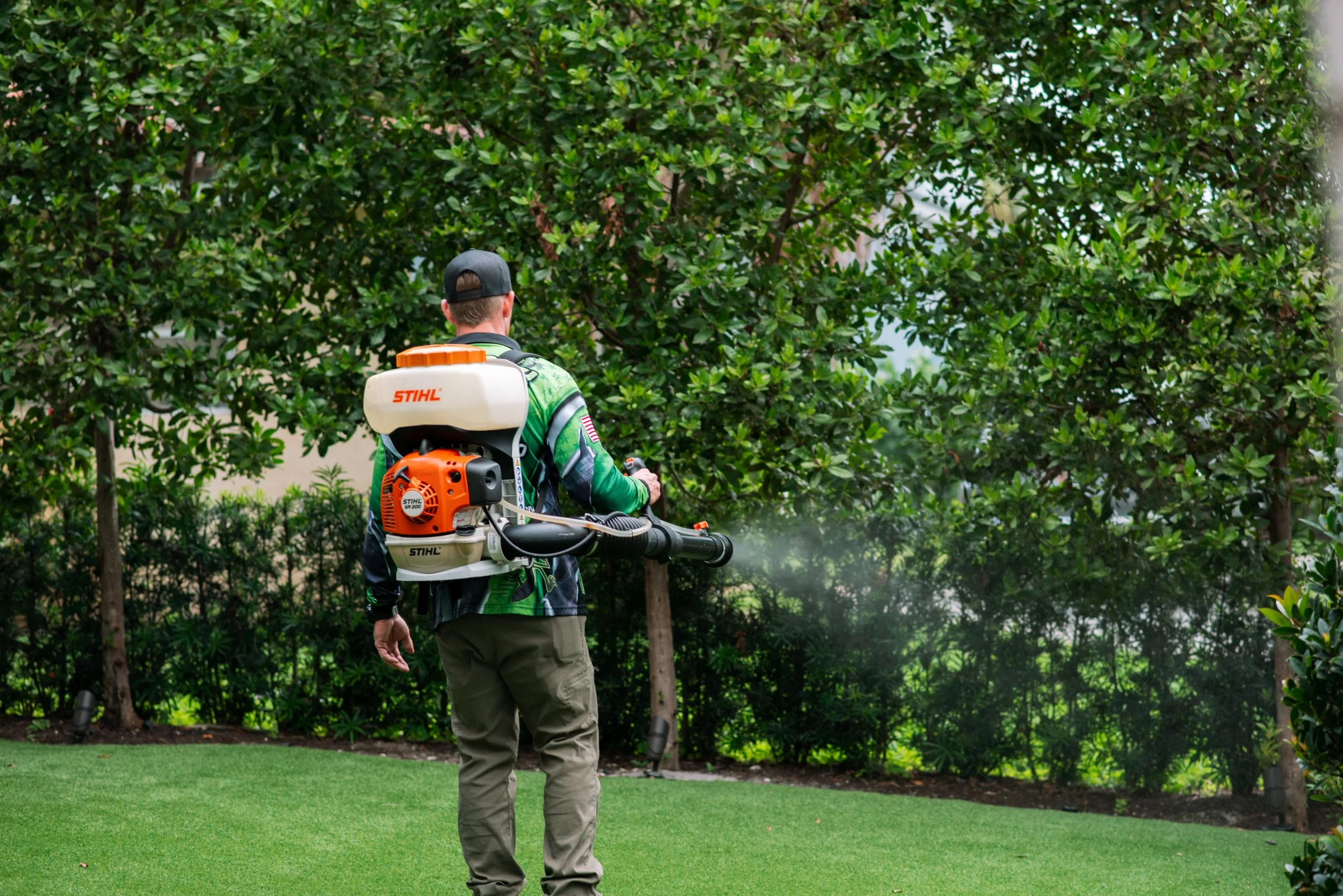
Five Lighthouse Point ant questions Tyler hears most often
My waterfront kitchen has chronic ghost ants. Standard treatment does not seem to work. Why?
Waterfront humidity drives chronic ghost ant pressure. Repellent chemistry (common in standard treatment) splits ghost ant colonies through wall voids, making recurrence worse. Non-repellent bait is the required approach.
My dock-adjacent deck post has carpenter ants. Do I need to replace it?
Often the post has salt-air-driven wood degradation that supports the carpenter ant activity. Structural repair referral alongside non-repellent bait chemistry addresses both.
Is repellent spray really that bad for ghost ants?
Yes. Ghost ants bud into satellite colonies when disturbed by any repellent; one colony becomes multiple within a week. Waterfront humidity conditions in Lighthouse Point amplify this. Non-repellent chemistry only.
How fast can Tyler dispatch to Lighthouse Point?
22-28 miles south, standard scheduling books same-week.
Are your ant treatments safe for waterfront exposure?
Yes. Bait placement respectful of water-quality regulations. Marine-safe application near dock-line.
Direct line to the technician serving Lighthouse Point
Phone: (561) 672-0200 (Tyler answers) · Mon–Fri 8 am – 5 pm
Email: Getbuggify@gmail.com
Address: 22617 Middletown Dr., Boca Raton, FL 33428 (West Boca shop, primary dispatch)
License: FL DACS #JB268060 · Certified Operator: Tyler Craig
Call (561) 672-0200 or submit the form below for a free phone estimate. Tyler answers directly. Lighthouse Point dispatch is owner-operator across a 20-25 mile route, so appointments are pre-scheduled rather than drop-in; most standard jobs book the same-week.