

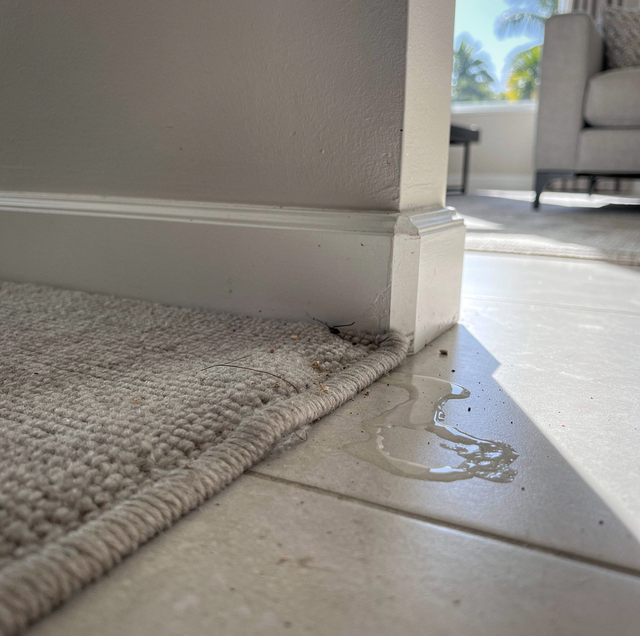
Finding flea bites on your ankles or catching a small, dark insect jump off the carpet sends the search straight to a pet. No dog, no cat, and the conclusion follows fast: it cannot be fleas. That reasoning skips a step. A flea needs an animal host to sustain its life cycle, and a pet is one host among several. Wildlife passing through a yard, a crawlspace, or an attic void can shed eggs the same way a pet would, and a previous occupant's animal can leave a population behind long after that animal and its owner are both gone. The bites are real. The missing pet means the source is somewhere other than where you are looking.
Where Fleas Come From When There Is No Pet in the House
A pet is the most direct path indoors because fleas ride in on fur, and the pet then carries them from room to room. Remove the pet, and the paths narrow but do not close. Raccoons, opossums, squirrels, and rodents that pass through a yard, den under a porch or deck, or get into a crawlspace carry their own fleas, and those fleas drop eggs wherever the animal rests, not only on its body. The animal never has to get inside the living space: an opossum denning under a porch or a shed deposits eggs in the soil and debris right outside a door, and the adults that emerge there can jump onto an ankle, a pant leg, or a shoe passing through and ride the rest of the way in.
A crawlspace or attic showing signs of animal denning should be inspected by a wildlife or pest control professional rather than entered directly, since disturbed insulation, loose wiring, and old debris can create a fall or injury hazard.
A second source has nothing to do with current wildlife at all. If a previous occupant's dog or cat lived in the home, the fleas that animal left behind in carpet fibers, floorboard seams, and baseboard gaps do not leave with it. Mature larvae spin cocoons, and a fully formed adult can stay sealed inside one for weeks or months, waiting on the vibration and body heat of a new resident walking through the room. A house that sat vacant between tenants, or a rental with a pet history nobody mentioned at move-in, can produce a flea problem that has nothing to do with any animal you currently own. The same applies on a smaller scale to a used upholstered couch, armchair, or rug brought in from a home with pets, since eggs and cocoons can ride along deep in the fabric and padding.
The Flea Population You Cannot See
The fleas you see, the ones jumping across a floor or caught mid-bite on a sock, make up a small share of what is present in an established problem. Adults on a host or wandering around a room account for roughly 5% of the total population at any given point. The other ninety-five percent is distributed among eggs, larvae, and pupae that sit in carpet fibers, floorboard seams, and shaded soil outside, not visible and not biting yet. That imbalance is part of why a problem can look minor one week and noticeably worse the next: the visible adults are a small sample of a much larger population working through its life cycle out of sight.
How a Single Generation Builds So Quickly
A female flea begins laying eggs within a couple of days of her first blood meal, and the eggs are not sticky. They fall off fur, clothing, or a resting animal wherever the host happens to be, scattering across a room or a patch of yard rather than concentrating in one spot. An egg can hatch in a day or two in warm, humid conditions and take up to about ten days in cooler, drier ones, and the larva spends one to three weeks feeding on debris and on the dried-blood droppings adult fleas leave behind, growing in carpet pile, along floorboard seams, and in soil under a deck or crawlspace, before spinning a protective cocoon. None of that stage is visible to someone checking a pet, a porch, or a closet. It develops quietly in material the household already has in place.
Why a Surface Treatment Knocks Back Adults but Not Pupae
Once a larva spins its cocoon, the case becomes sticky and quickly collects a layer of carpet fibers, soil, and debris from its surroundings. That coating serves as camouflage and also prevents a contact insecticide from reaching the insect developing inside. A spray aimed at what is crawling across the surface kills the adults it touches and does nothing to the pupae sealed beneath the same carpet or the same patch of mulch. That is the mechanical reason a single treatment of visible insects can look successful for a few days and then stop working: the population was never limited to what got sprayed in the first place.
Signs That Point to Fleas Without a Pet to Blame
A few signs point to fleas even where there is no animal in the house to check for fur or scratching. Flea dirt: small black specks that look like coarse pepper along a floorboard seam or the edge of a rug are flea feces, dried blood that flakes off wherever the insects have been feeding and resting. Bite pattern: new welts tend to appear in a cluster rather than one at a time, and they sit low on the leg, since that is the height a flea reaches without a host to climb onto first. Visibility on light surfaces: a pale tile floor or a pair of white socks pulled up to the calf shows a jumping adult that a dark rug hides, so walking a carpeted room in white socks is a quick way to check it.
Treating the Larval Stage Along with the Adults
Addressing an active flea source once a pet has been ruled out means targeting two distinct biological targets simultaneously. A treatment that kills adult fleas on contact clears what is active right away, but it does not stop eggs from hatching; it misses larvae that have worked down to the base of the carpet pile or into baseboard gaps and soil; and it cannot reach the pupae inside their cocoons. An insect growth regulator targets that second group directly: it disrupts the hormone signal a larva needs to molt into a pupa and then an adult, so the immature population stalls out instead of maturing behind the adult-killing step. The yard and crawlspace side, where the wildlife was resting, receives the same treatment as the indoor carpet. Removing a raccoon or opossum and closing its den opening is wildlife-control work, and until that is done the den keeps reseeding both stages.
A flea problem without a pet in the house is a population that built up somewhere else first, in a yard, a crawlspace, or carpet nobody has disturbed in a while. Finding that source sets the bar for every application afterward, and the insects that decide whether the plan works are the ones still sealed in cocoons nobody has seen yet.
Frequently Asked Questions
Adult fleas find a host by jumping, and a cat flea's jump averages about eight inches forward and tops out near nineteen, launched from carpet or floor level. That carries it to an ankle or shin, and from there it bites where it lands or climbs under a sock cuff or pant hem before feeding.
Because a cocooned pupa shrugs off treatment for one to two weeks, adults keep emerging after the first visit no matter how well it went. Flea work is planned as several visits across roughly four to six weeks, with a growth regulator at each indoor application, so each new wave of adults and the larvae behind it meets fresh treatment.
A female flea living on a cat, dog, or wild animal can lay as many as 27 eggs a day, starting about 9 days after her first blood meal, and she keeps laying for as long as she stays on that animal. One opossum or stray cat bedding down under a porch for a couple of weeks can leave hundreds of eggs in the soil there.
Vacuuming removes a measurable share of the problem on its own: regular vacuuming of infested carpet can pull up to 30% of flea larvae and 60% of flea eggs from the fibers. Emptying the canister or sealing and discarding the bag outdoors right away keeps the eggs from hatching inside the vacuum. Vacuuming does the same work in a home with no pets, since the same larvae and eggs that came from wildlife or a previous tenant's pet are still in the carpet.
Yes. A bird nesting in a soffit void or an attic space carries and sheds fleas the same way a denning mammal does, and the pathway indoors runs through the same gaps around roofline vents and soffit returns that a mammal would use. Either way, the flea work is the same once the nest is found.
Not for long. Adult fleas will bite people when no animal is around, but a female fed on human blood lays only a small fraction of the eggs she would lay on a cat or dog, and an adult that finds no host at all lives for only a few days to about two weeks. Bites that keep coming for weeks in a house with no pet point to adults still emerging from cocoons, or to an animal still feeding fleas under a porch or in a crawlspace.
Book a flea inspection that covers the yard as well as the house — the eggs, deep-pile larvae, and cocooned pupae a single spray misses get handled across the follow-up visits too. Buggify Pest Solutions serves Boca Raton, West Boca, and communities across Palm Beach and northern Broward. Call Tyler: (561) 672-0200.